In this post
After being closed for six months of renovations, the Paris Wine Museum — now bizarrely called Le M. Musée du Vin — reopened last month under new ownership. As it had been well over a decade since my last visit, I thought I’d check it out.
A Bit of History: From Quarries to Wine Museum
The wine museum is fittingly housed within ancient limestone quarries dug into the hills of what’s now the Passy district in the 16th arrondissement of Paris. These tunnels were used in the 16th and 17th centuries to store the wines of the monks of the Order of Minimes from the Passy convent. The convent was destroyed during the French Revolution, and the tunnels forgotten until the 1940s, when they were used as a bomb shelter. From 1950 through 1984, the tunnels were once again used to store wine, this time for the Eiffel Tower’s restaurant, Le Jules Verne.


The Wine Museum was first opened in 1984 by the Confrérie du Conseil des Echansons de France, a wine brotherhood with a mission to “defend and promote France’s best wine appellations” (today its members also include women). My only memory from previous visits was that — while an interesting place to escape the heat and crowds in the summer if you happened to be in the neighborhood — it seemed outdated, with dusty wax figures demonstrating the wine-making process, and a rather cheap-tasting glass of wine at the end.
But I was ready to give it another chance.
Visiting the Musée du Vin
Le M. Musée du Vin
5 square Dickens, Rue des Eaux, 16th, M° Passy
Tel 01 45 25 70 89
Open Tuesday-Saturday 10am-6pm
Entry €15 with advance ticket purchase (€17 at the door)
Optional glass of wine €4 (or €25 for three wines; reservations required by phone)
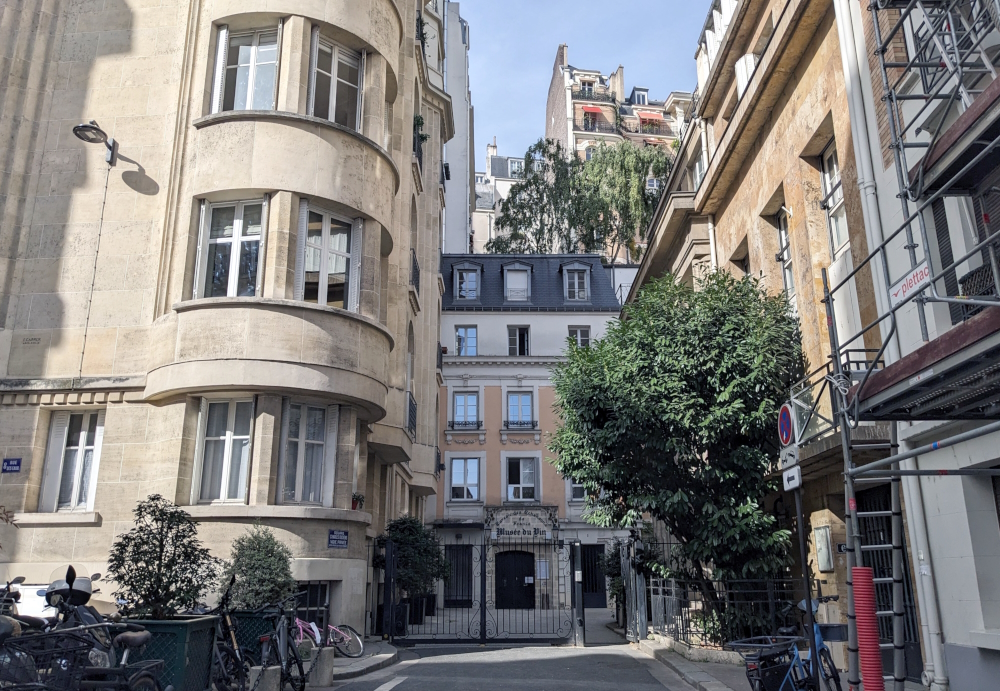
Even with a map, it’s easy to miss the museum, whose entrance is within one of the oldest hôtels particuliers of the 16th arrondissement, behind a gate at the far end of the Rue des Eaux.


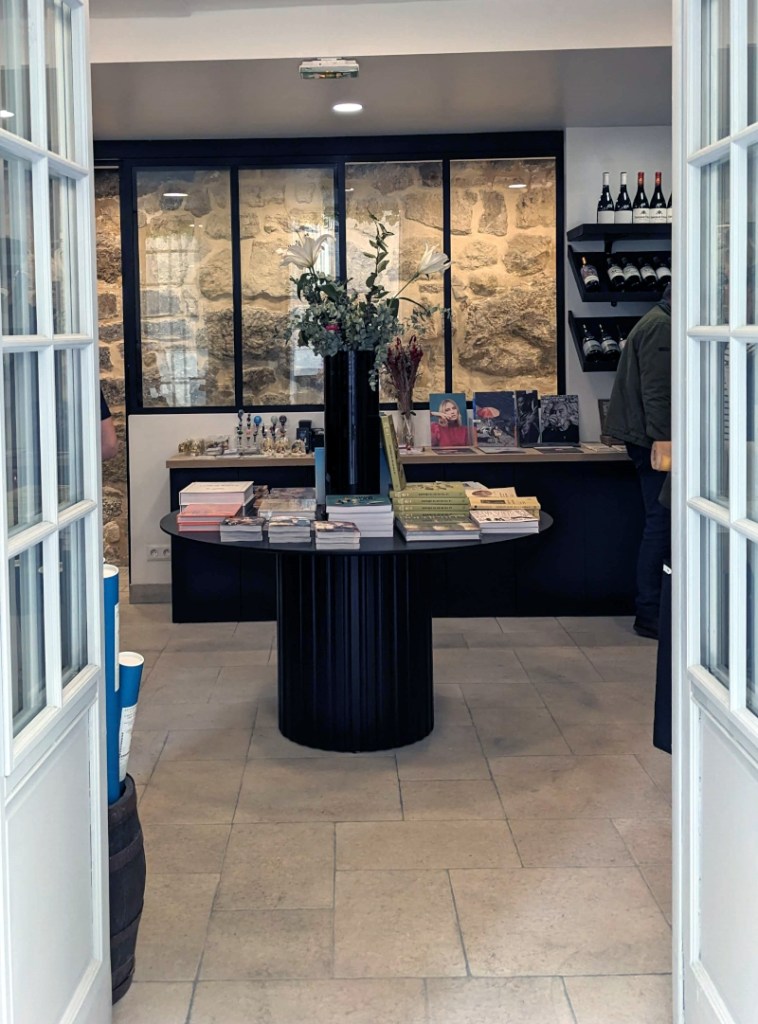
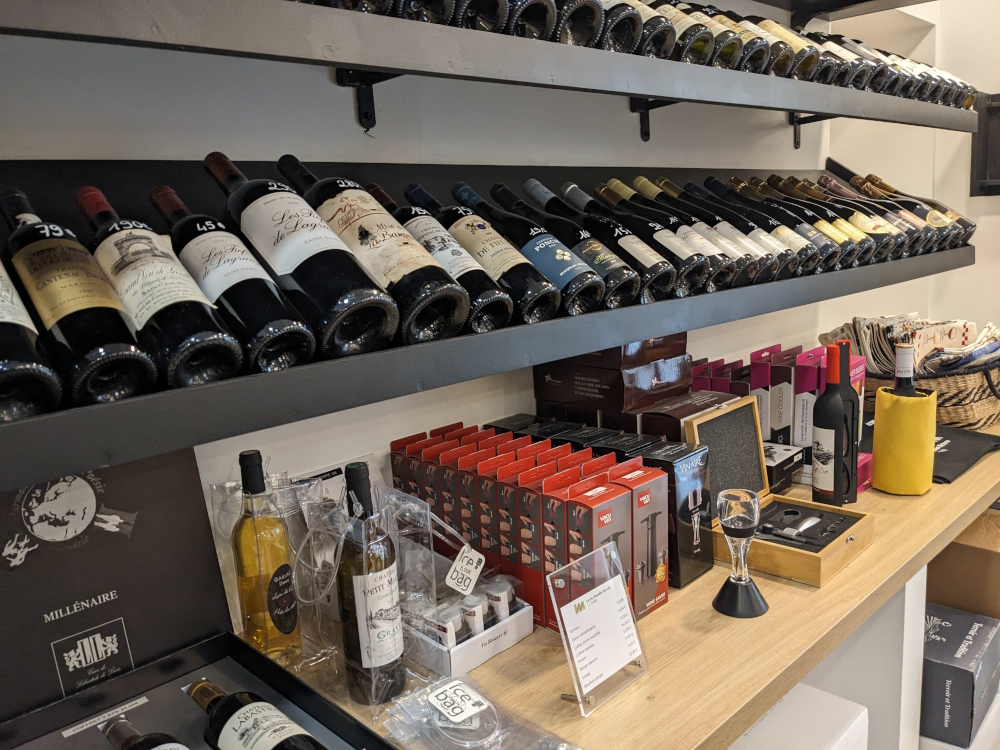
The main entrance is now through a small gift shop selling wines, wine accessories, and souvenirs. If you didn’t pre-purchase your tickets online (recommended if you want to save €2), you can buy them here for a whopping €17/adult. And the glass of wine at the end is no longer included, but costs €4 extra. Apparently there are audio guides in English available, but there are no signs saying so, and because we were speaking French (and my friend is a registered tour guide) they didn’t offer them to us.
Only a few of the signs with more generalized information have translations in English. But 90% of the signs are in French, I’m guessing that even with the audio guide, you’ll only get the basics for each room, not the translations for the over 2,000 objects on display. For that, you’ll be best served with a translation app that works offline (Google translate will do it if you download the French while you’re online).
Having said that, even if your French is perfect and you have a translator, some of the objects are so obscure you’ll have to guess what they’re for. Like most of you, we had visited many vineyards and wine-making cellars throughout France over the years, so some of the objects were familiar (the old presses, grape-picking baskets, wine riddlers, and tastevins), but some of the objects remained a mystery (I photographed a lot of their French names to Google later once I had reception again).
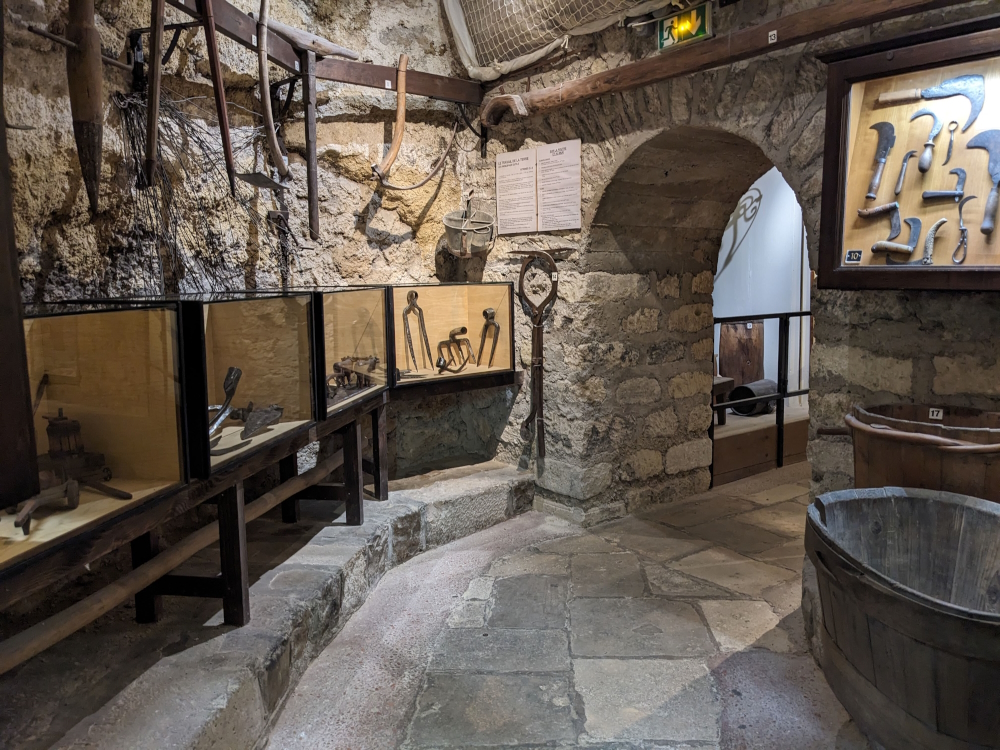
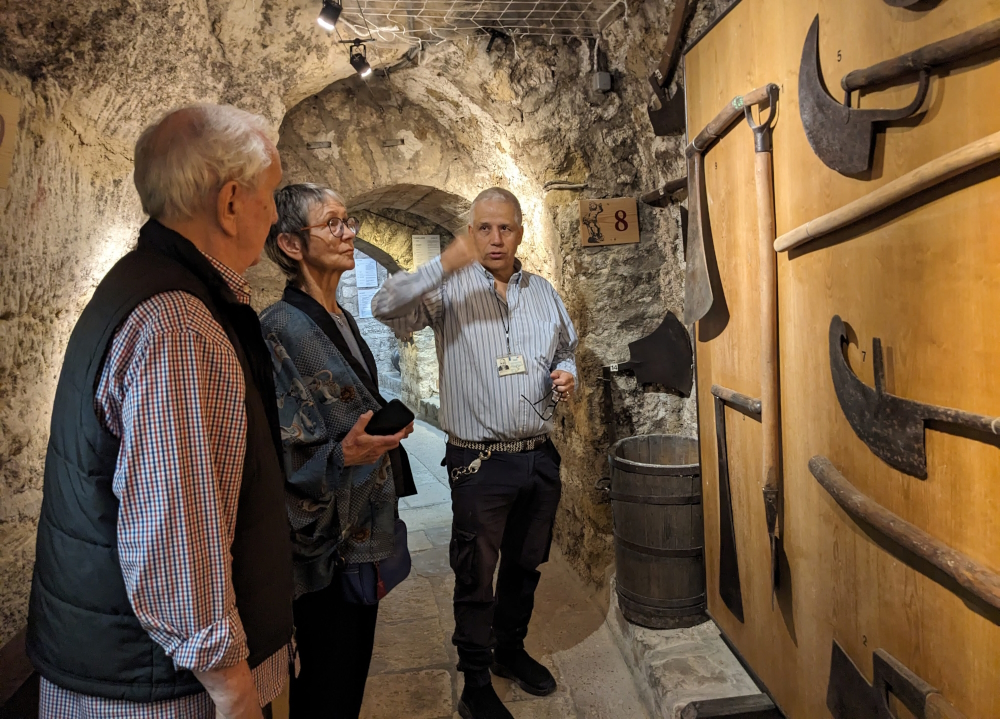
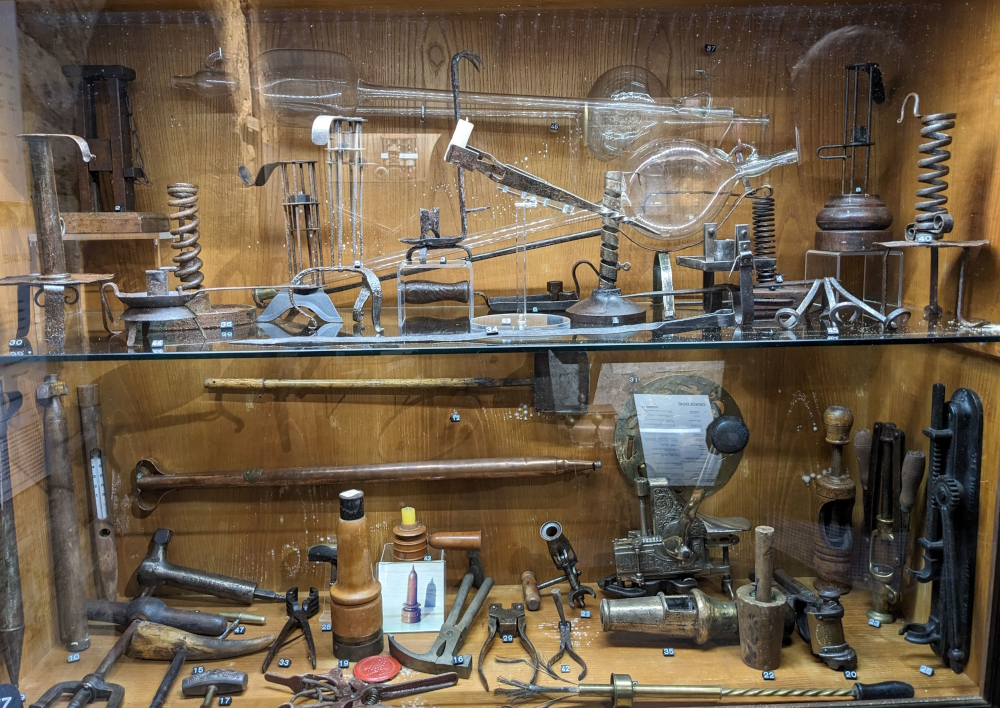
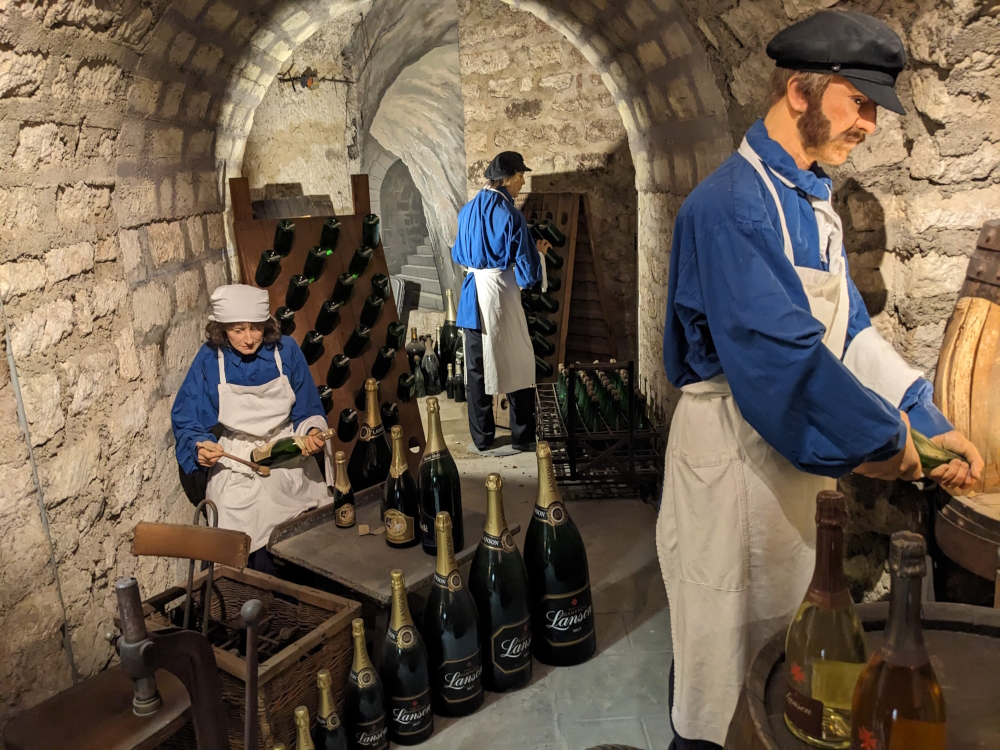
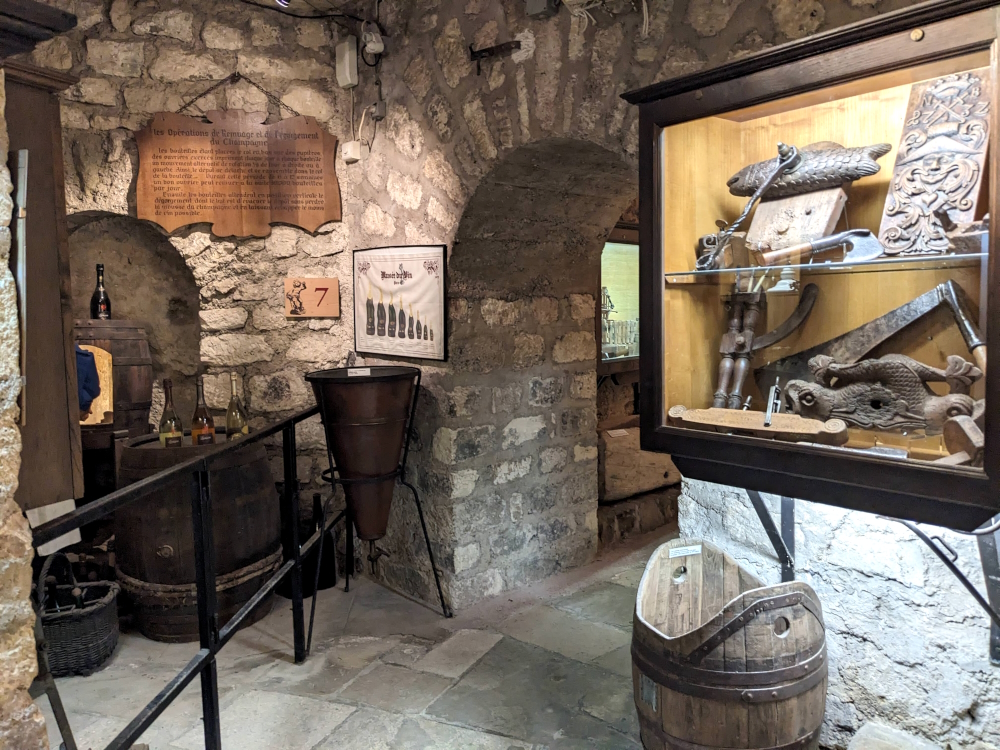
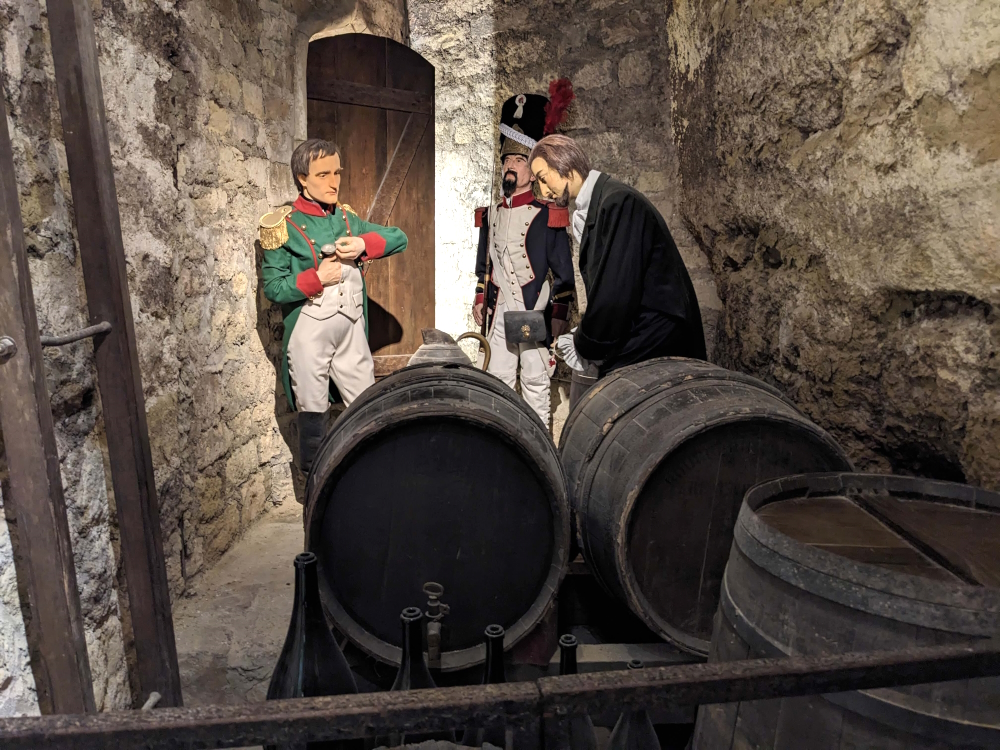

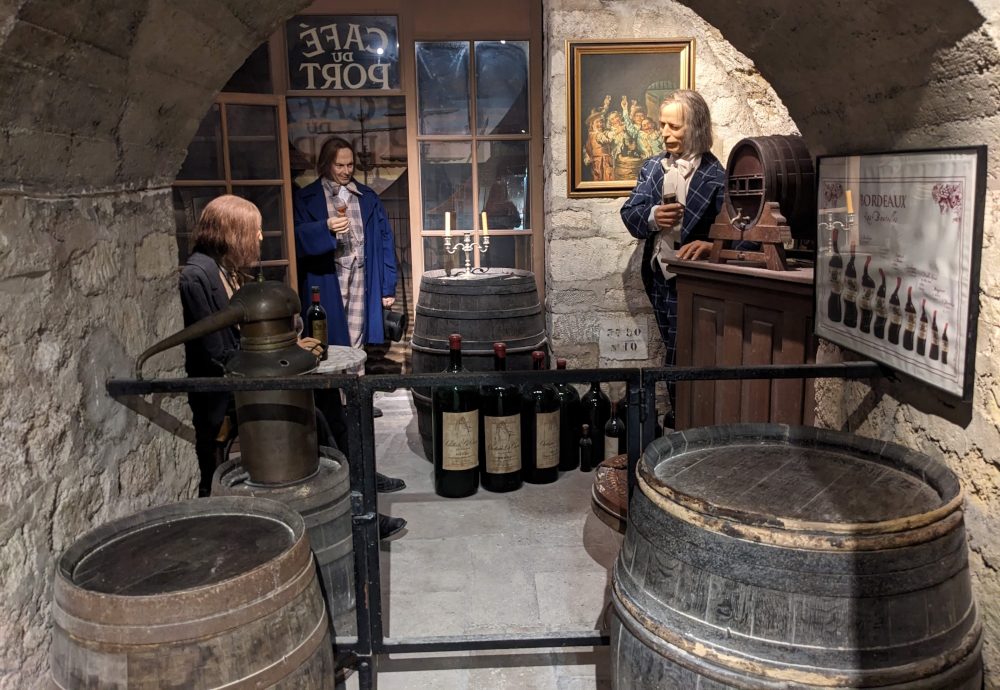

If you’re just there for a good time, trying to figure out the stranger objects is part of the fun. Laughing at the waxworks (you’ll hardly recognize Napoléon, who apparently only drank Chambertin wine), is the other part of the fun. If you’re a serious wine aficionado, you’ll still have plenty to keep you intrigued. From the unique geological composition of the cellars to Pasteur’s discovery that saved France’s wine industry, the museum is nothing if not thorough in its history of French wine history (don’t expect to hear much about other countries).
Two of the more interesting things I learned about wine on this visit:
- The “Grand Cru” appellation for wines, was established in Bordeaux in 1855 by local wine merchants, who decided that only Médoc wines were worthy. It has taken a looooong time for other wines, even superior ones, to challenge Bordeaux’s reputation.
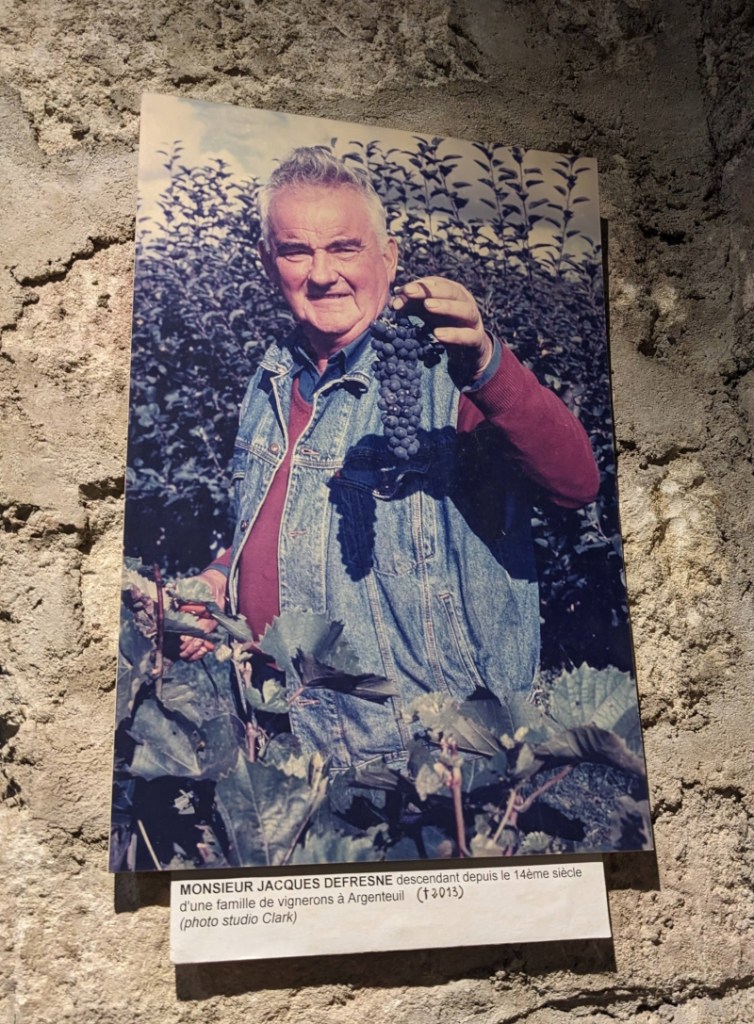
- The Ile-de-France town of Argenteuil has been making wine for over a thousand years (it was supposedly King Philippe Auguste’s favorite in the 13th century), and was the country’s largest wine-producing commune in the early 1800s. The photo on the right commemorates Jacques Defresne (who passed away in 2013), the last in a family of Argenteuil wine-makers dating back to the 14th century.

In addition to being generally impressed about how much brighter and generally “tidier” it seemed since my last visit, it also seemed bigger. It took us about an hour to visit the entire museum, although I’ll admit by the end we were probably moving a little faster towards our own glasses of wine, not stopping to read all of the detailed descriptions of the fancy containers used to store and serve and enjoy wines throughout history.
Drinking and Dining and Classes at the Wine Museum
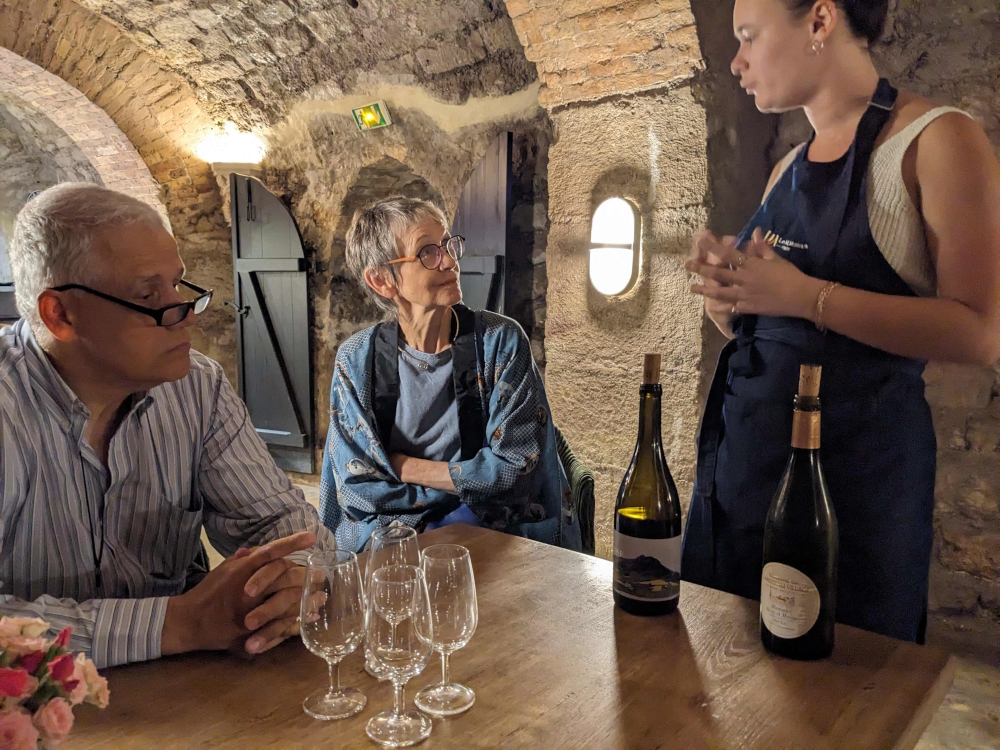
When we finished our tour of the museum, we had to track down one of the employees to let them know we were ready for our wine (which we all pre-paid with our tickets). Once seated, you get to choose from one of the two “vins du mois”, a white or a red. The pour was generous (we were almost finished when I took the photo), the wine was quite good. Some olives or nuts would have been nice, but hardly a deal-breaker.



There are four large vaulted cellars in the non-museum section of Le M. Musée du Vin, one with tables set for lunch, one next to the bar for the wine tastings, and two for wine-tasting classes, which are open to individuals on the weekends (only private groups on weekdays, like the chocolate-and-wine-tasting class taking place while we were there).
I can’t speak for the food, since I haven’t tried it, and since the restaurant has only been reopened since last month, there aren’t any reliable reviews yet. If you’d like to give it a go, meals start at €30, or €65 for three wines and a full menu. Wines by the glass cost €6-10, bottles under €30.
As mentioned before, there are also wine tasting classes and wine pairing classes in the vaulted cellars. But even though I can see the schedule for these classes on the website, no matter how I tried, I couldn’t successfully book one (their website is not user-friendly AT ALL, ugh). There are apparently three steps: look at the calendar, then purchase a ticket, then make the reservation. But even in the English version, it just doesn’t make any sense (and we’ve all been booking things online now for quite a few years, so no excuse for making it so complicated).
The Verdict: Worth the Price?
Even if I absolutely loved this museum, the pre-purchased, non-wine-drinking ticket at €15 seems rather steep (after all, the Louvre charges that without a reservation). The six-month renovations clearly didn’t include updating the museum signage, which I would think even an ambitious intern could tackle over the course of a few weeks.
But if you’re even mildly interested in wine-making history, and love to visit quirky, hidden places in Paris that haven’t (yet) been overrun by Instagrammers, then this might just be the best part of your trip. We visited on a Wednesday at 2pm and only saw one other small group of three people in the museum the entire time we were there. And the new owners seem more interested in promoting their restaurant and events than the wine museum, so it’s not surprising most people — even Parisians — don’t know the city has one. And for those with limited mobility, there are no staircases, so it’s wheelchair-accessible (unlike the city’s other subterranean museum, the catacombes, which now costs a whopping €29).
So voilà…this is probably one of the true secrets of Paris! For now. 😉