


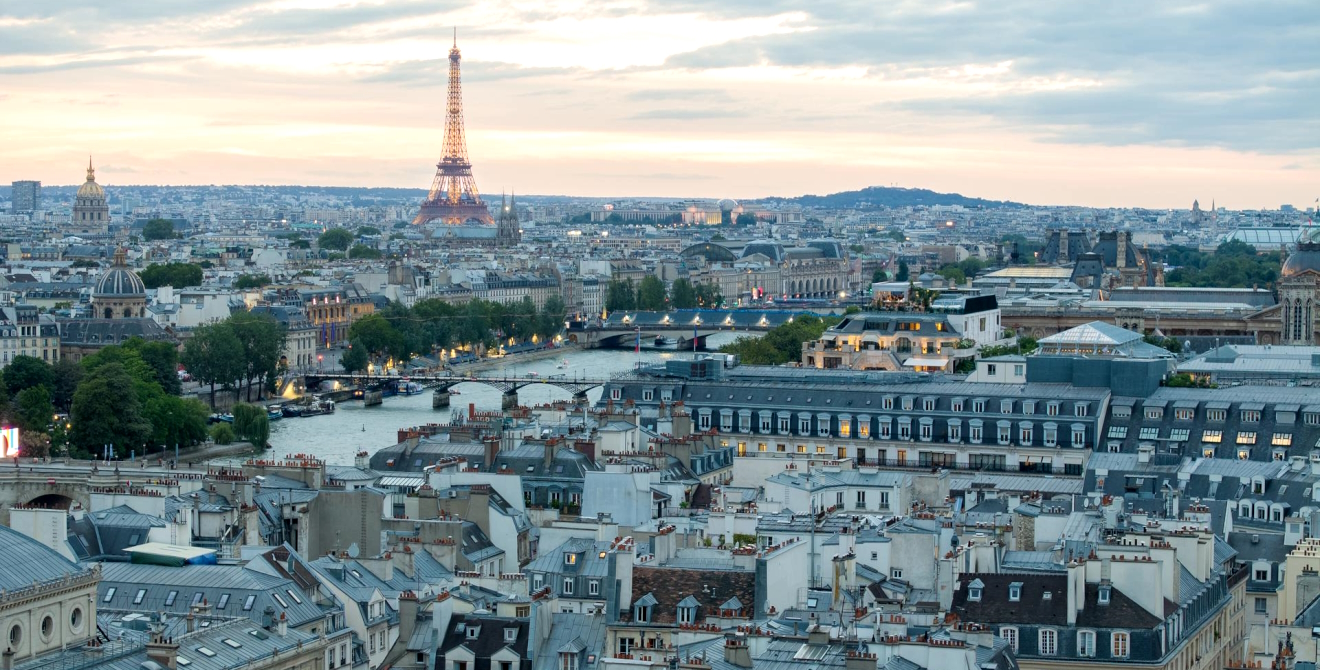
The Olympic Opening Ceremony isn’t just a solemn occasion to introduce the athletes, who get center stage cruising down the river to Trocadéro, but also the opportunity to showcase the host country’s culture. And nothing brings out the history and culture of France than the Seine and the iconic Parisian monuments alongside it! If I could summarize the four-hour ceremony in one sentence? There was something for everyone to love, and something for everyone to hate. Nothing more French than that, n’est pas? 😉 As I couldn’t re-record the entire Opening Ceremony with my own commentary (hey NBC, call me next time), here are screen shots from some of the key moments from France 2’s broadcast with a bit of much-needed cultural context. How many did you miss?
Note: Some of the video links are geo-blocked and only visible to viewers in France or in the US (or if you have a VPN or proxy server). You can watch the replay of the entire opening ceremony for free in France on France.tv (until December 31st), in the US on NBColympics.com, in Canada on CBC Gem and CBC.ca/Paris2024, and in Australia on 9Now and Stan Sport. For other videos, I’ve put links to multiple sources, where possible.
Cultural References in the Opening Ceremony (Part 1):
- Opening Scene: From the Stadium to the Seine
- The Show Begins with a Bang…and an Accordion
- Kitsch Performances in Pink
- Who’s the Mystery Figure Running Around Paris?
- Dancing in Synchronicity at Notre Dame Cathedral
- A Word from Our (Very Wealthy) Sponsor
- The French Know a Thing or Two about Freedom
- L’Amour in the Library: A Peek into French Culture
- Old School Makes Music with the New on Pont des Art
- A Pianist in the Rain
- The Little Troublemakers Who Stole the Mona Lisa
Opening Scene: From the Stadium to the Seine
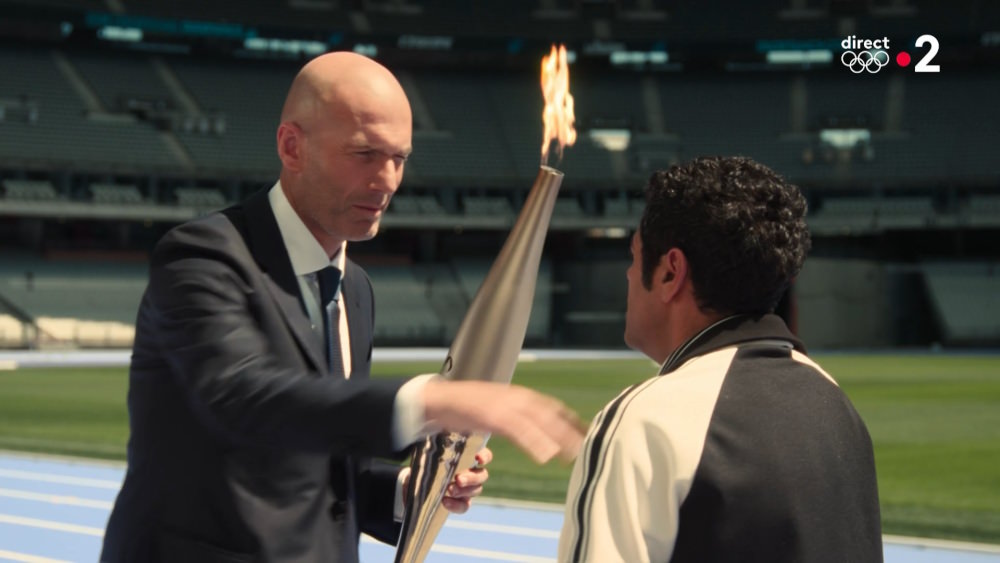
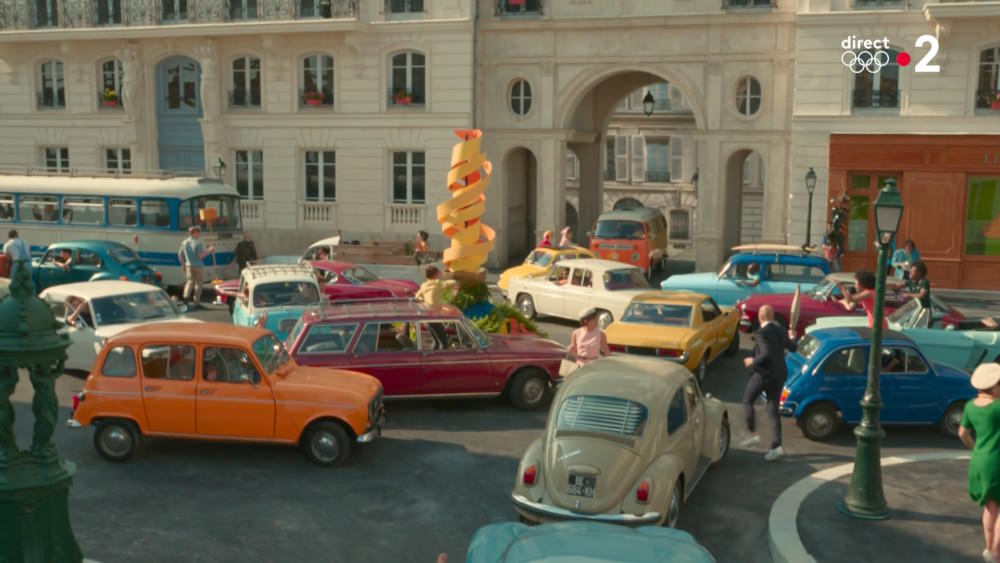
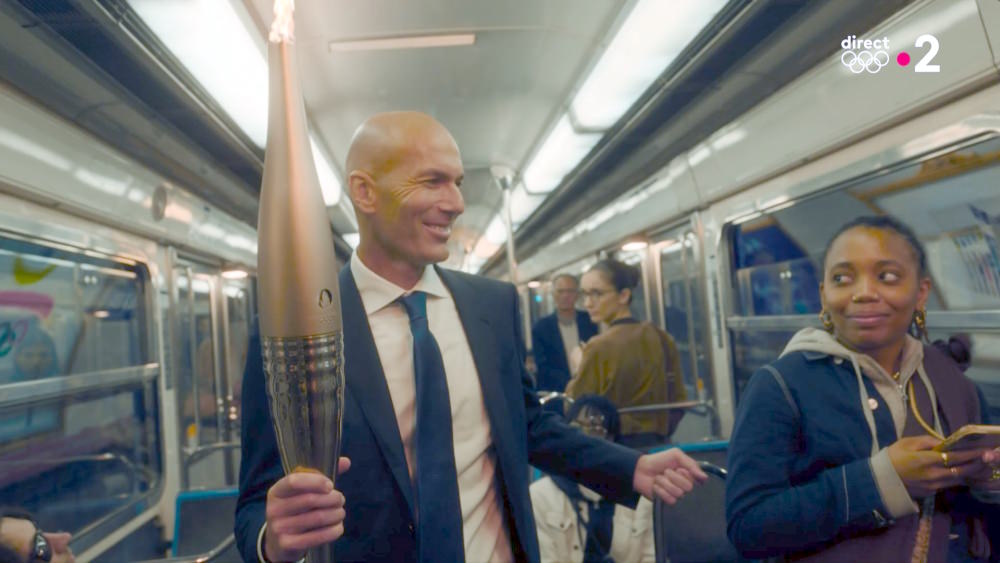
The Opening Ceremony Show on France 2 (the local French channel) starts with the arrival of an Olympic Torch carrier to an empty Stade de France in the Parisian suburb of St-Denis, where the Opening Ceremony would have taken place if the French did what everyone else did. This is a famous French actor and comedian Jamel Debbouze, who many of you may recognize from the 2001 cult film, Le Fabuleux Destin d’Amelie Poulain starring Audrey Tautou (he works at her local produce stand). When he realizes he screwed up, French soccer legend Zinedine Zidane appears (“Zizou Christ!” exclaims Jamel, referring to the player’s nickname) to take the torch to the Opening Ceremony on the Seine. In a nod to the James Bond opening of the London Olympics, he runs through a very 1960s retro version of St-Denis, plowing through a café and down into the metro. As soon as he hopped on the train with the flaming torch, you could hear all of the Parisians gasp (c’est non-fumeur!).
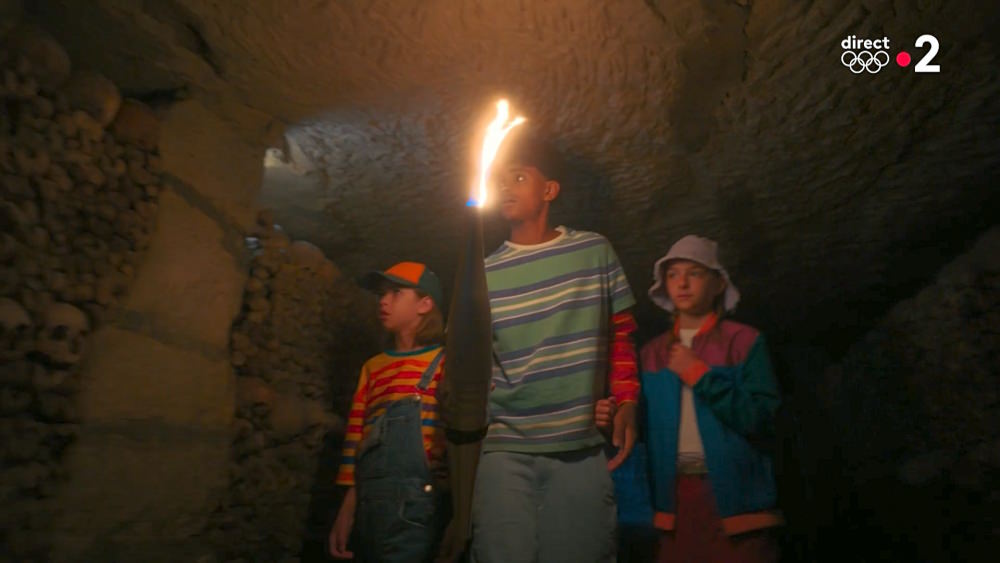
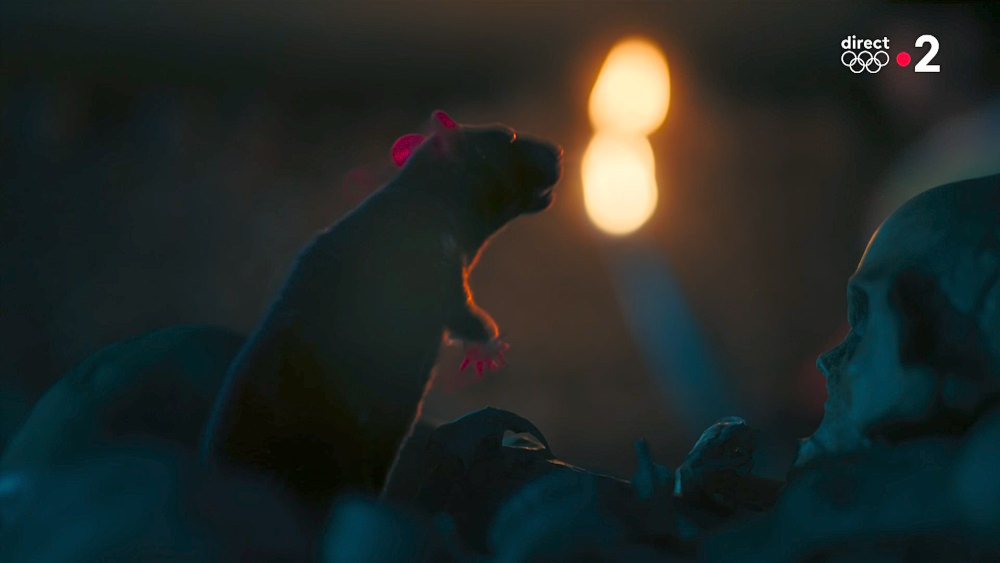
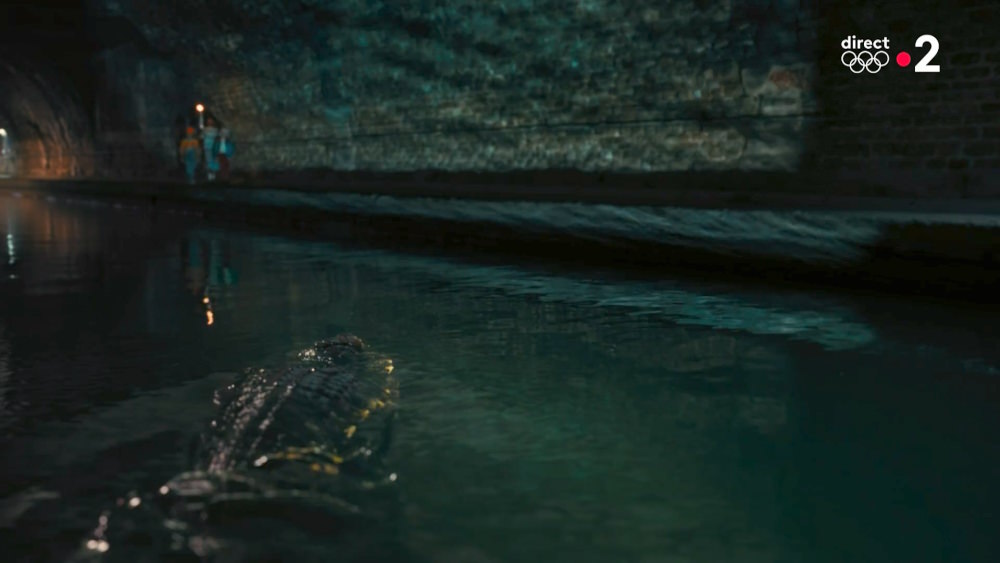
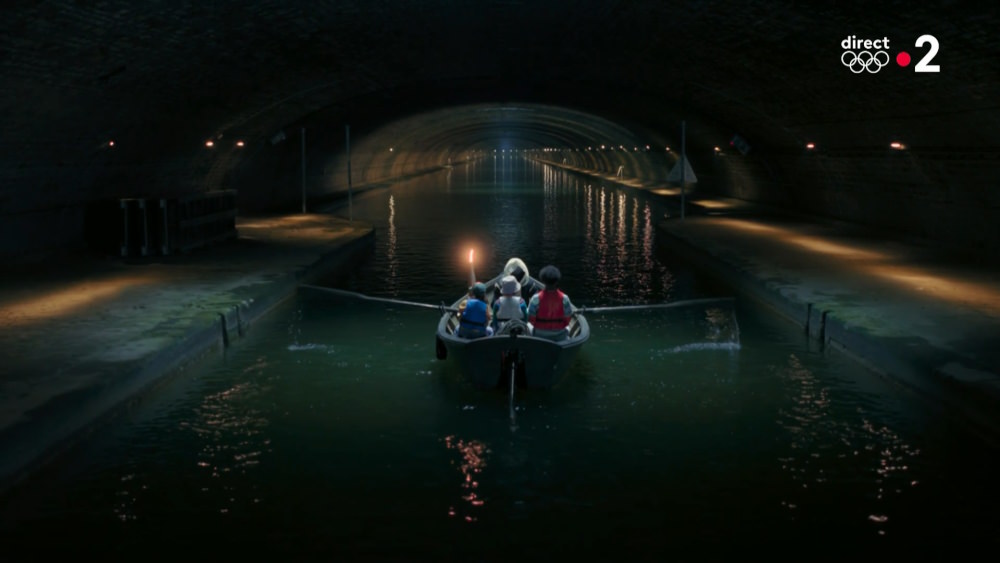
Then, bien sûr, the metro stops in its usual way, and Zidane passes off the torch to three curious skater kids, who take it into a secret tunnel entrance to….the Catacombes! Now, there may be tunnels everywhere under Paris, but the only part with skulls like that is in the part open to tourists in the 14th arrondissement, on the Left Bank of Paris. But we’ll give them the artistic license to fib a bit. The rat is authentic, as is the reference to Eleanor the Crocodile, found living in the Paris sewars (the Egouts de Paris) in the 1980s, and now apparently living in a zoo in Brittany. This, however, is actually the Canal St-Martin, and as music from Phantom of the Opéra plays, a mysterious hooded figure arrives in a rowboat to take the kids and the Olympic torch to the Opening Ceremony on the Seine. You can watch this opening scene here if you’re in France (here in the US).
Click on the photos throughout this article to see full sized with captions.

The Show Begins with a Bang…and an Accordion
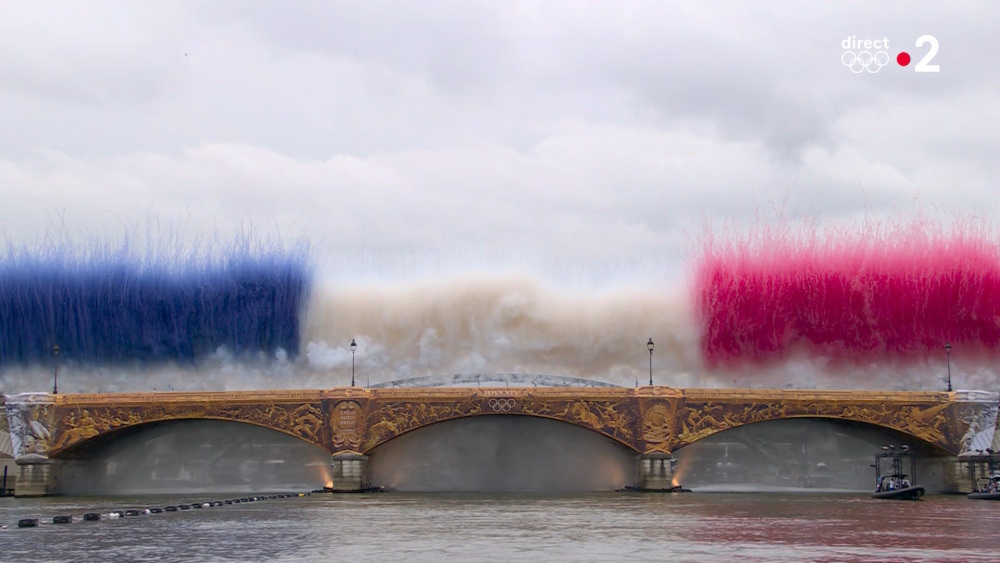
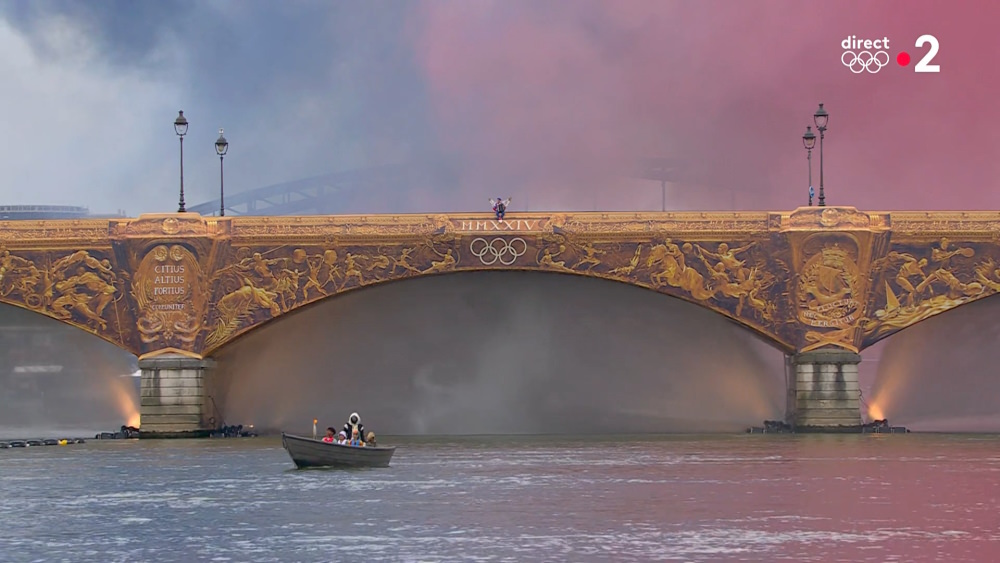
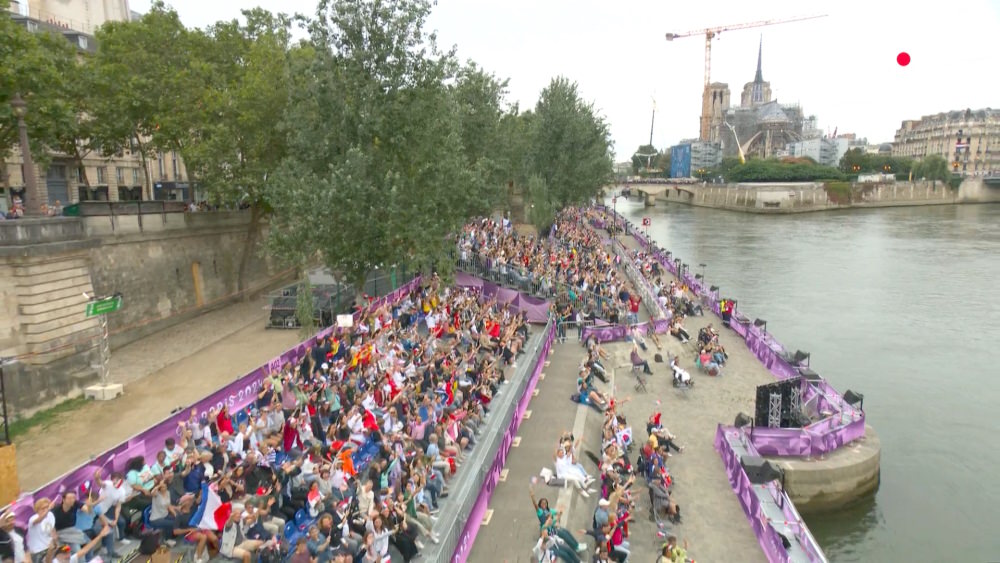
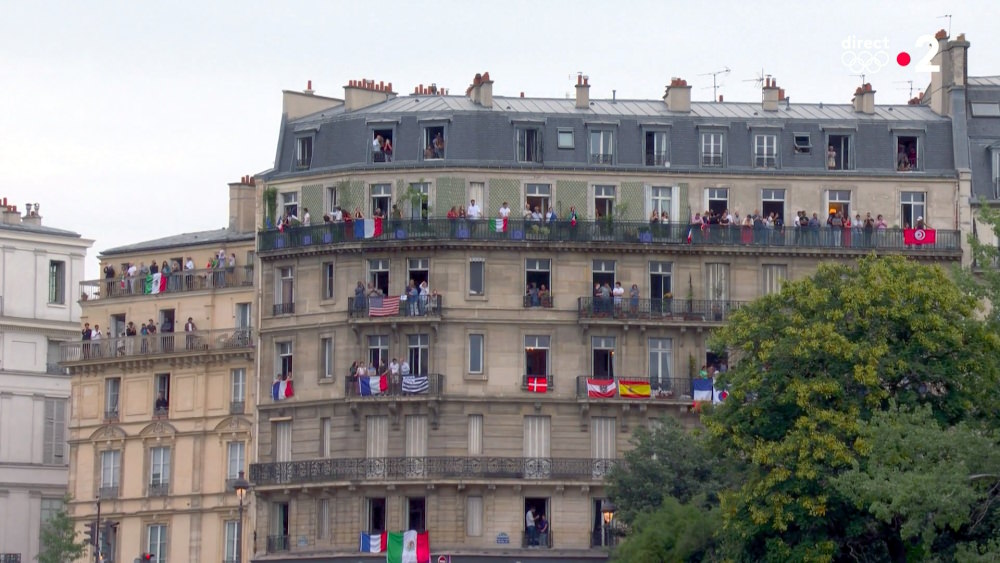
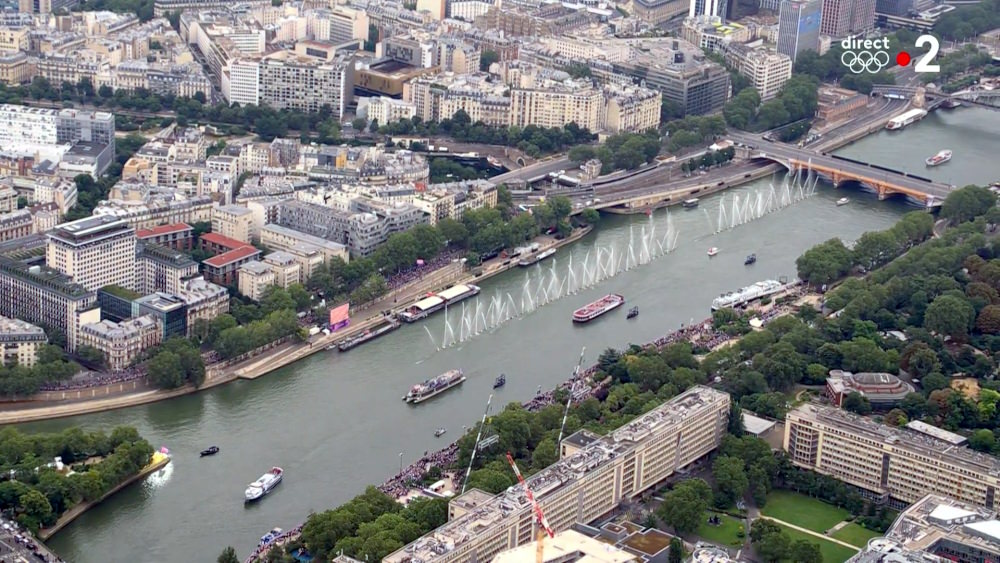
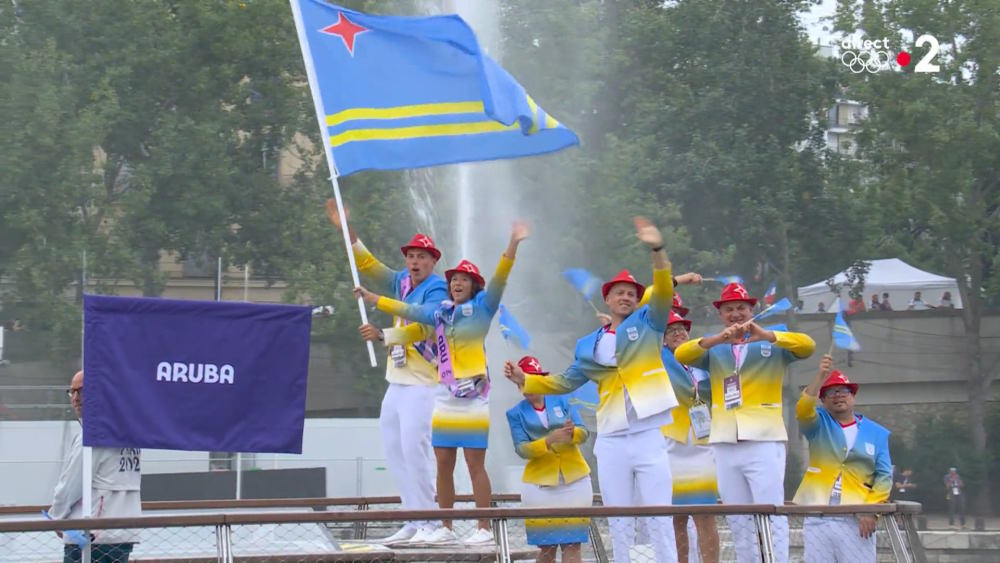
On the Seine, the kids arrive with the hooded figure (in what is now a power boat, lol), passing beneath the Pont d’Austerlitz as it explodes in a smokey tribute to the French flag’s bleu, blanc, rouge. The famous French accordion player Félicien Brut is perched — with wings — on the bridge. This is just the first of the many fun French clichés we’ll see in the show! This is where the parade of boats with each country’s team starts, always with Greece first, the Refugees’ team, and then each country alphabetically with the host country (France) last, and the 2028 host country (USA) second to last. The rain hasn’t started yet, so you can see all of the spectators along the river and hanging off balconies before they have to get their umbrellas out.
Kitsch Performances in Pink
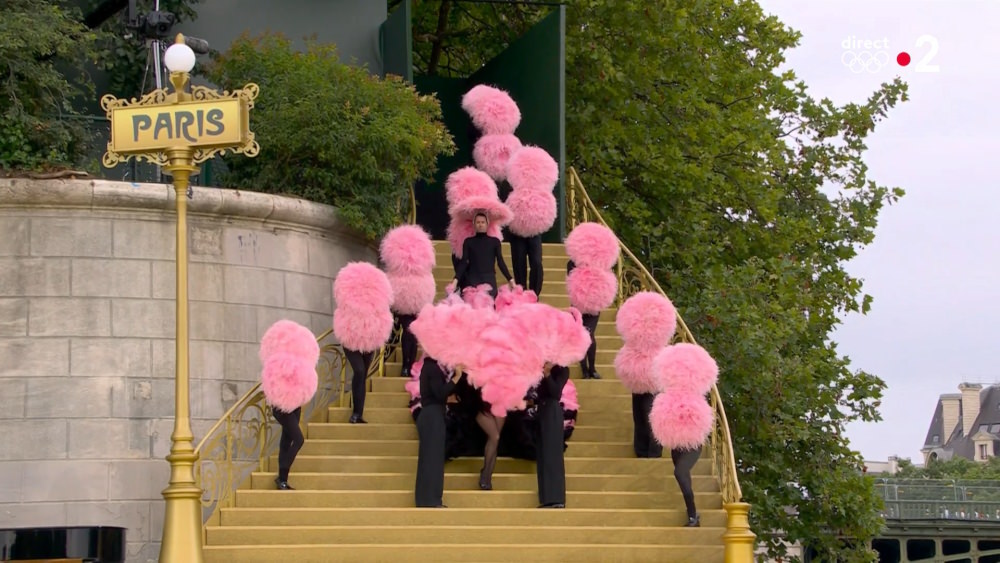
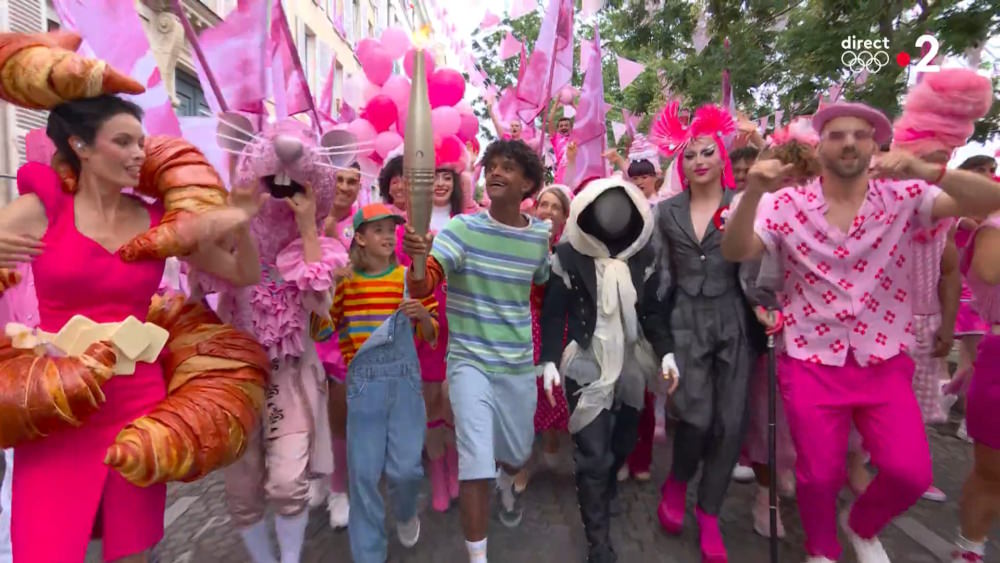
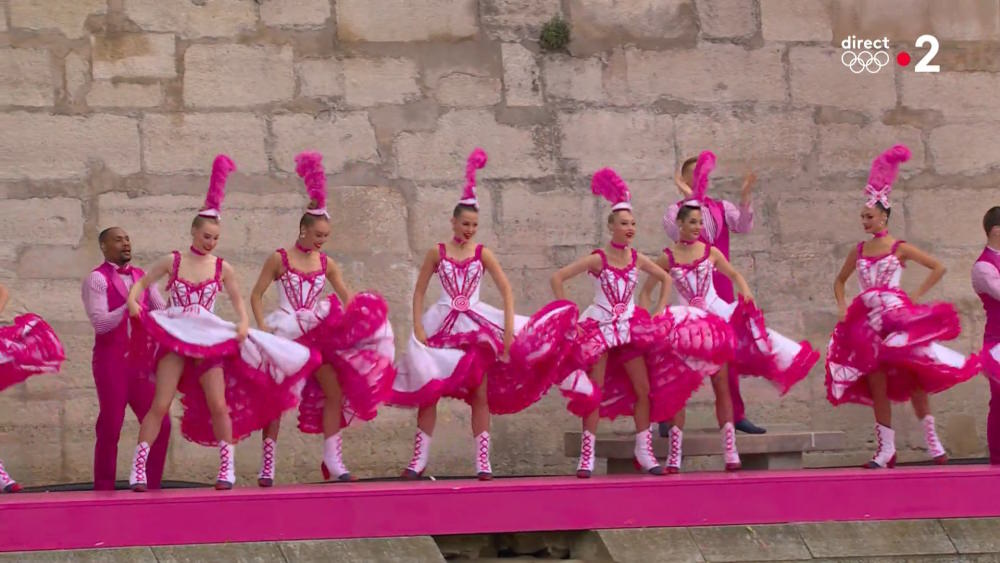
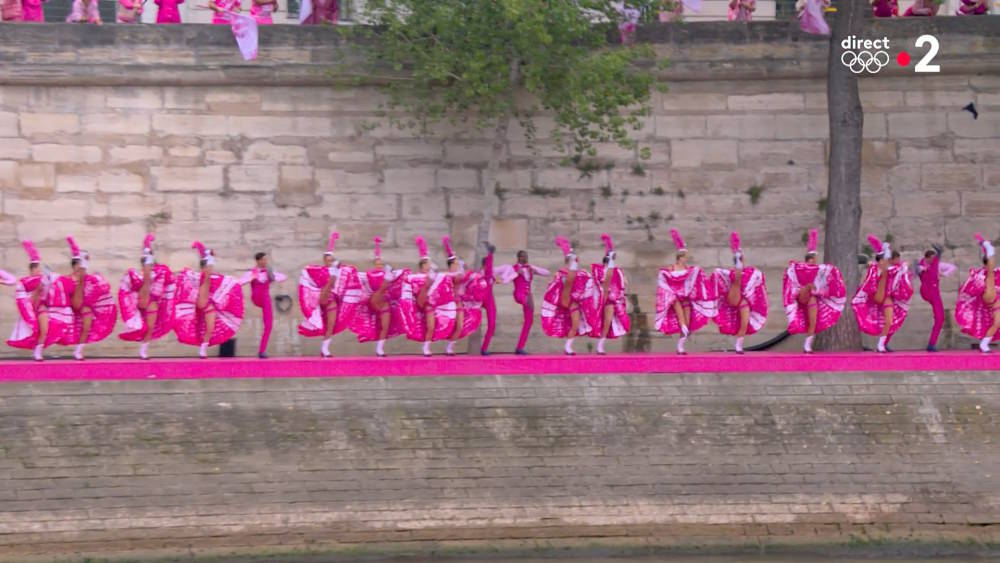
La vie en rose! The first number was with Lady Gaga on the tip of the Ile St-Louis, performing a traditional French cabaret act. They actually filmed this earlier in the day, perhaps because the rain would have ruined all of the feathers (so many feathers!) for her rendition of Zizi Jeanmaire’s “Mon Truc En Plume” (“My Thing in Feathers”). You can tell when they pan out because you see the cars that were still on the bridge before the ceremony started. After that, we see the kids and the masked figure with the torch, strolling down the banks of the Seine with a giant pink rat and a woman decorated with croissants, all in a festive carnival mood. We then see the dancers from the Moulin Rouge performing their famous French Cancan dance in special pink outfits made for the Olympic Opening Ceremony. Yes, they were slightly out of sync (one of the dancers explained what happened), but still looked fabulous. Did you know the Cancan was one of the most scandalous acts in Paris when it first opened in the early 19th century because the dancers lifted their skirts? Today tourists take their kids there to see the show (including topless dancers)…keep that in mind for later in the Opening Ceremony. 😉

Who’s the Mystery Figure Running Around Paris?
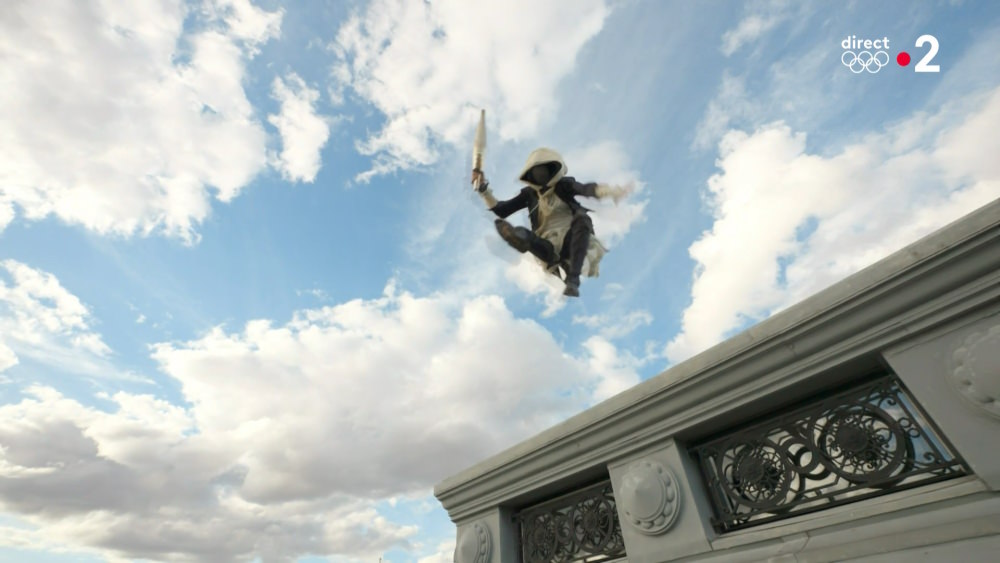
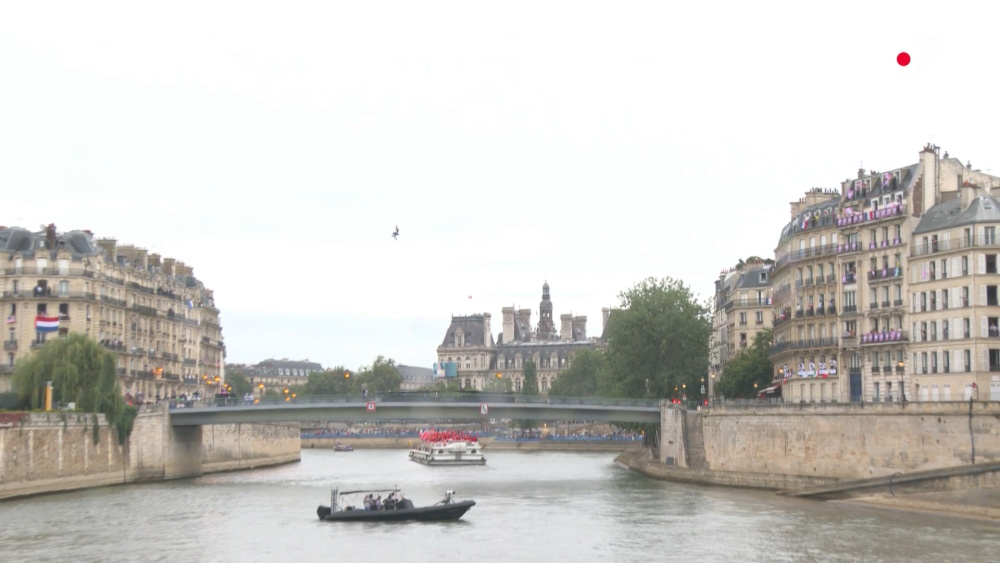
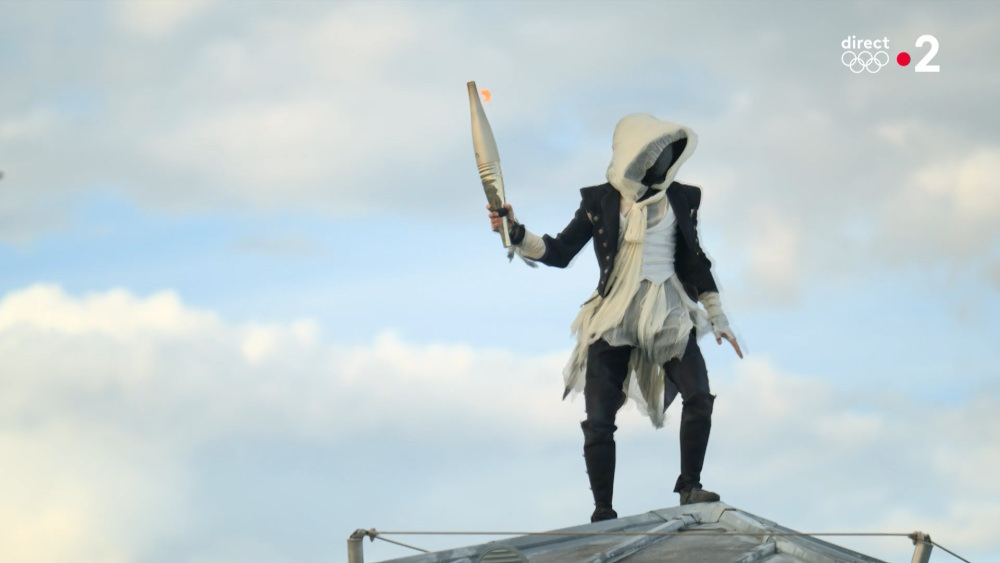
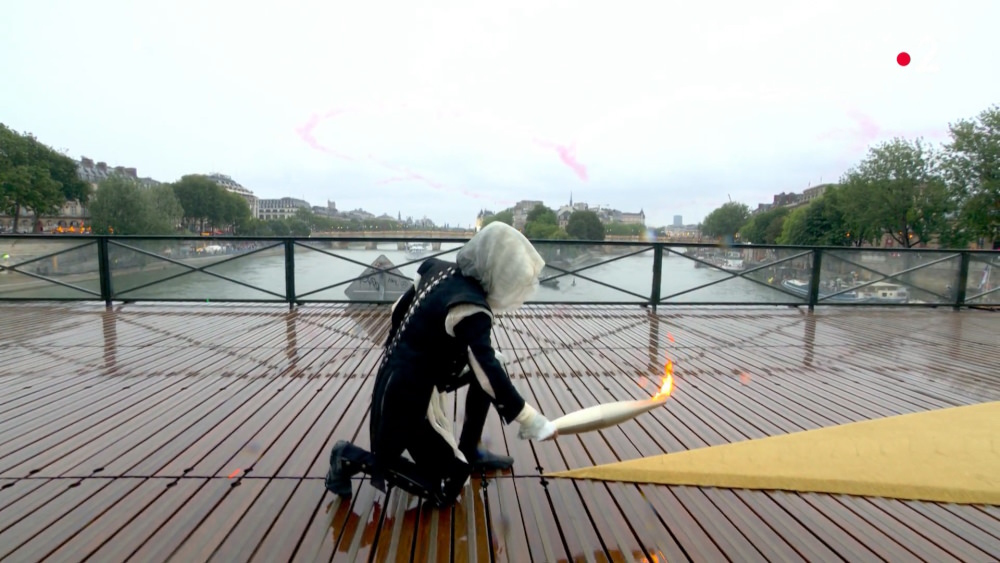
The masked figure then takes off across the Seine on a zipline and hops up onto the rooftops of Paris is a reference to Arno from the popular video game, Assassin’s Creed, created by the French tech unicorn, Ubisoft. Throughout the ceremony he will also evoke other French literary legends such as Arsène Lupin and as we saw earlier, the Phantom of the Opéra. Spoiler alert: we never actually see his (or her!) face.
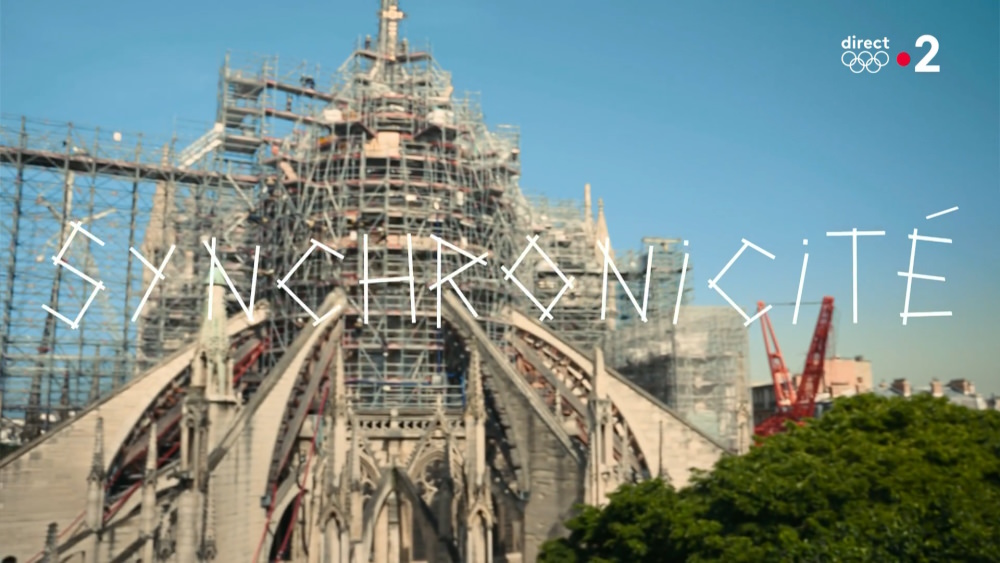
Dancing in Synchronicity at Notre Dame Cathedral
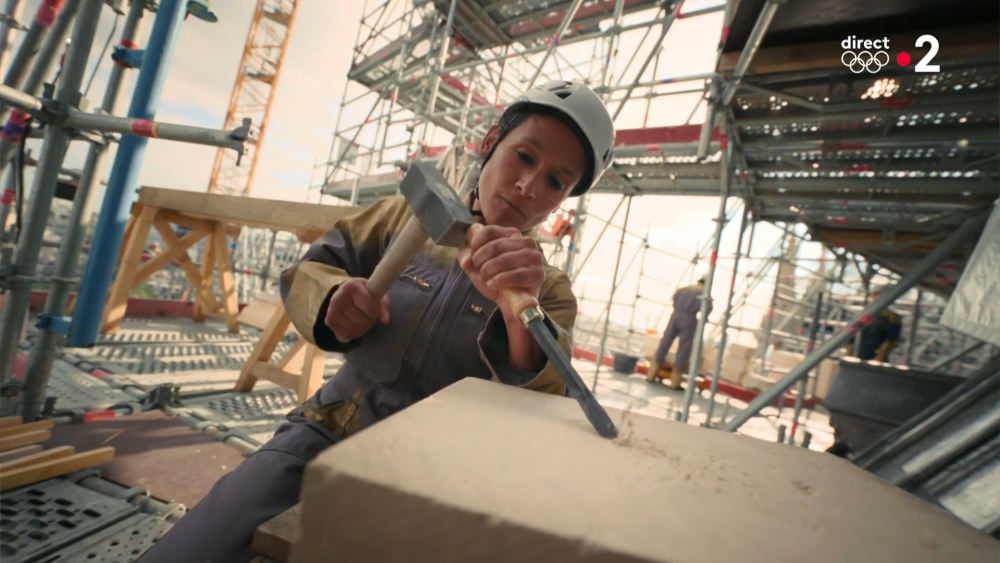
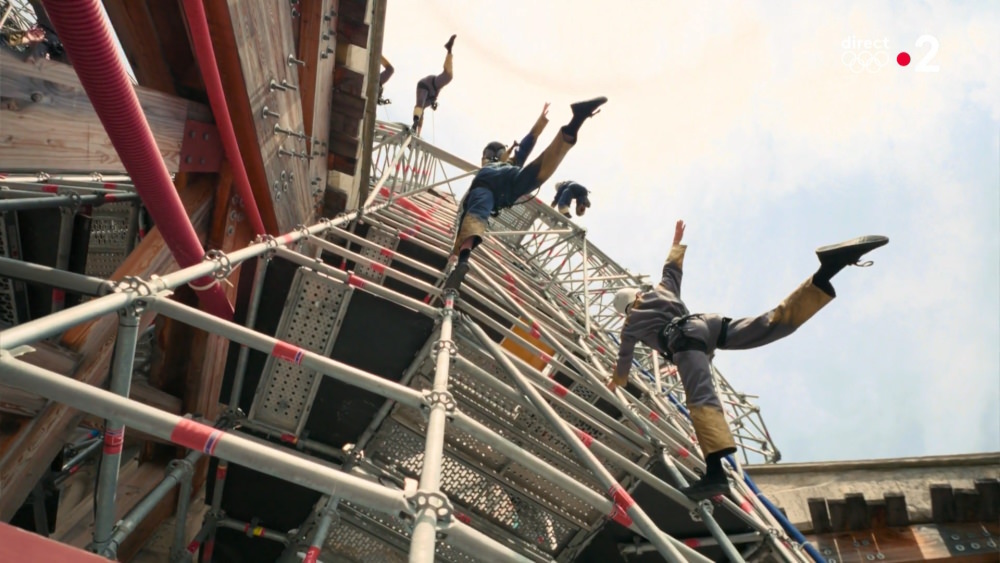
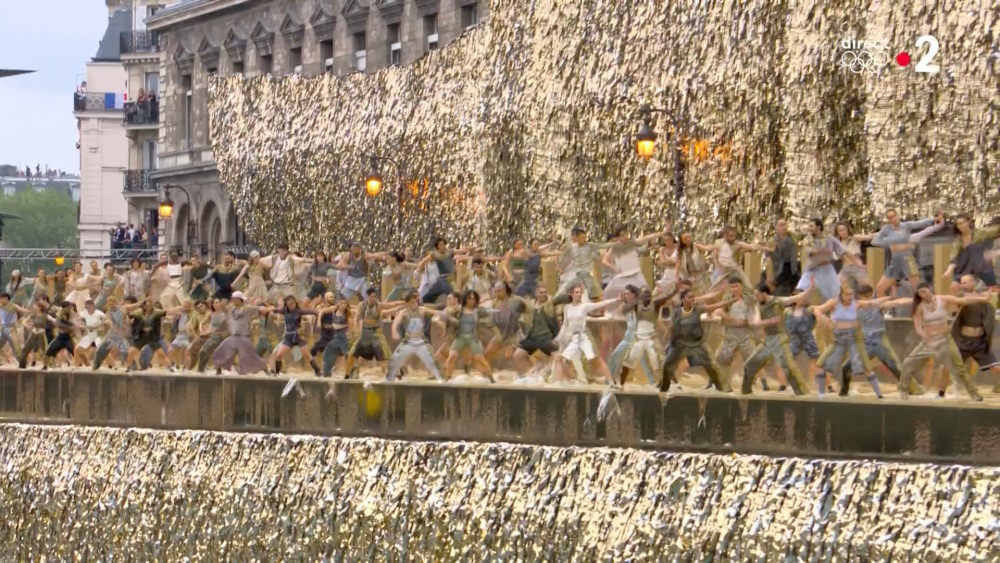
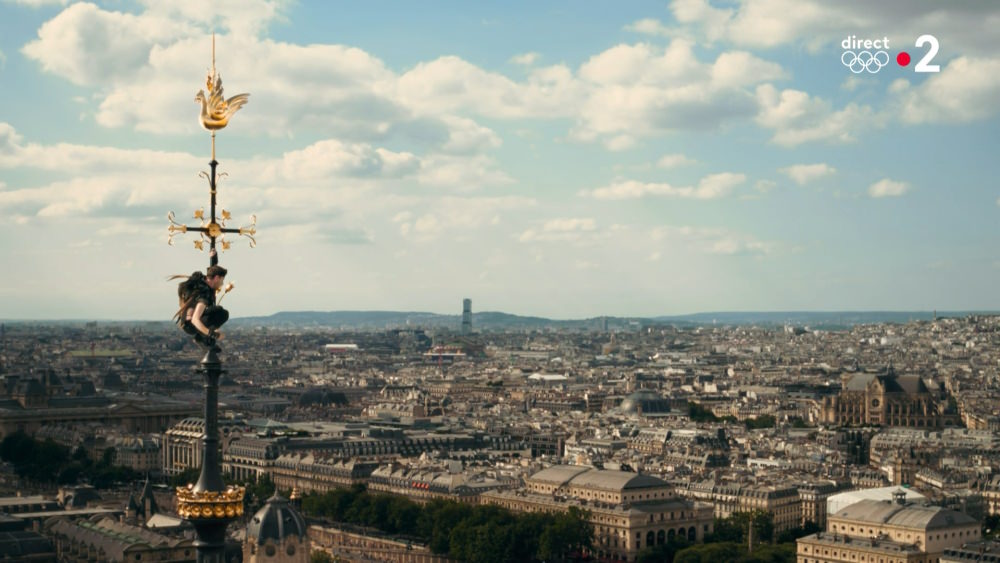
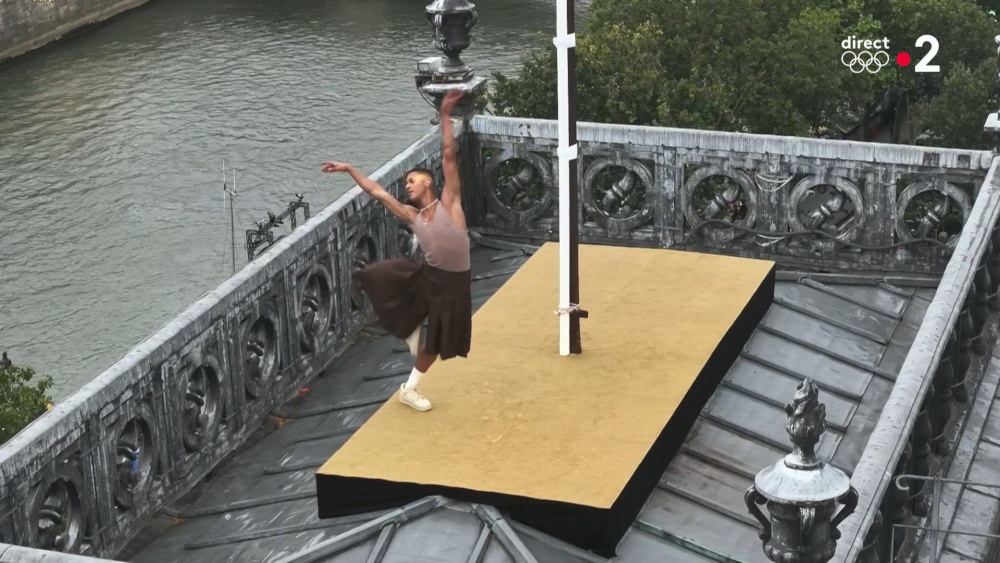
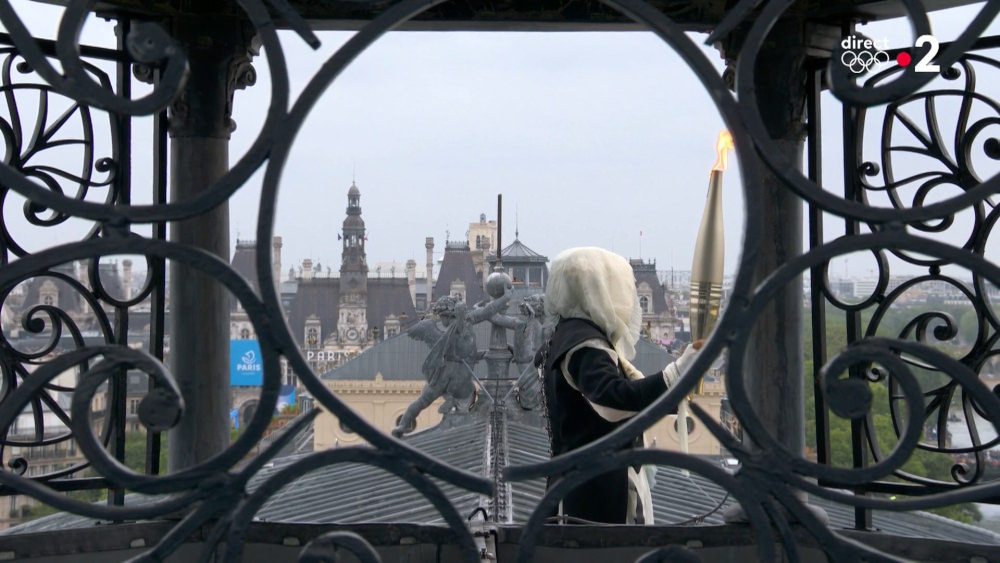
The next segment highlights the artisans bringing Notre Dame Cathedral back to life after the 2019 fire (it’s scheduled to reopen this December). They even rung the bells! Whenever you see sunlight in the Opening Ceremony, you know it was pre-recorded. But there were also 500 live dancers, either down by the Seine dancing in ankle deep water with a sparkling golden backdrop, or on the surrounding rooftops, performing together in the mesmerizing Synchronicity tableau. Almost all of the dancers during the Opening Ceremony ended up dancing in the rain, without falling or slipping! Atop Notre Dame’s restored spire — and gleaming new golden rooster — is a figure paying homage to Quasimodo from Victor Hugo’s 1831 novel, Hunchback of Notre Dame. Only later did I find out this was actually the Opening Ceremony’s artistic director himself, Thomas Jolly. Did you know the architect Viollet-le-Duc famously put his own face on the statue of Saint Thomas, patron saint of architects, when he renovated Notre Dame in the late 19th century? Nearby, we could see Guillaume Diop, the étoile (principal) ballet dancer of the Opéra de Paris, dancing on the rooftop of the Hôtel de Ville.


A Word from Our (Very Wealthy) Sponsor
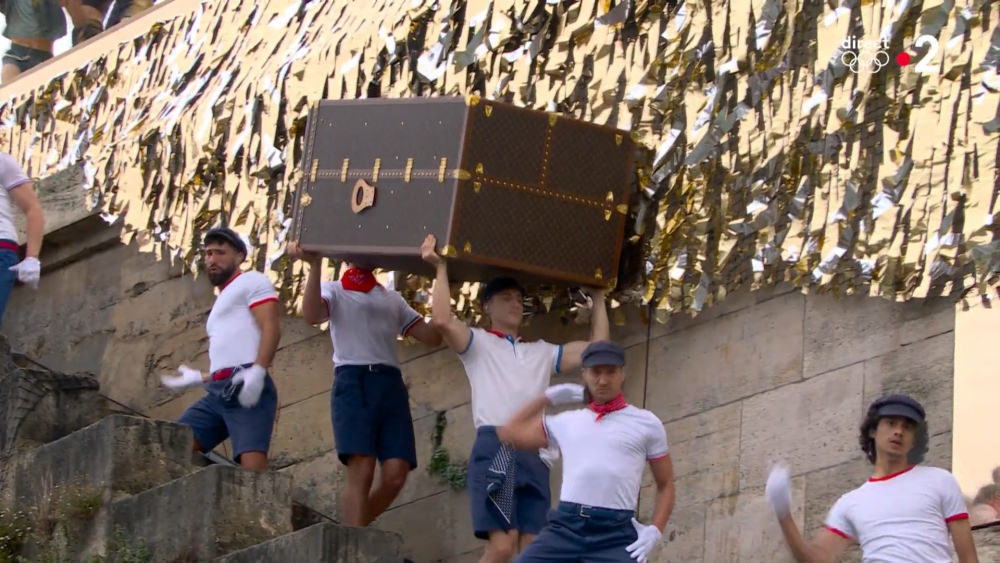
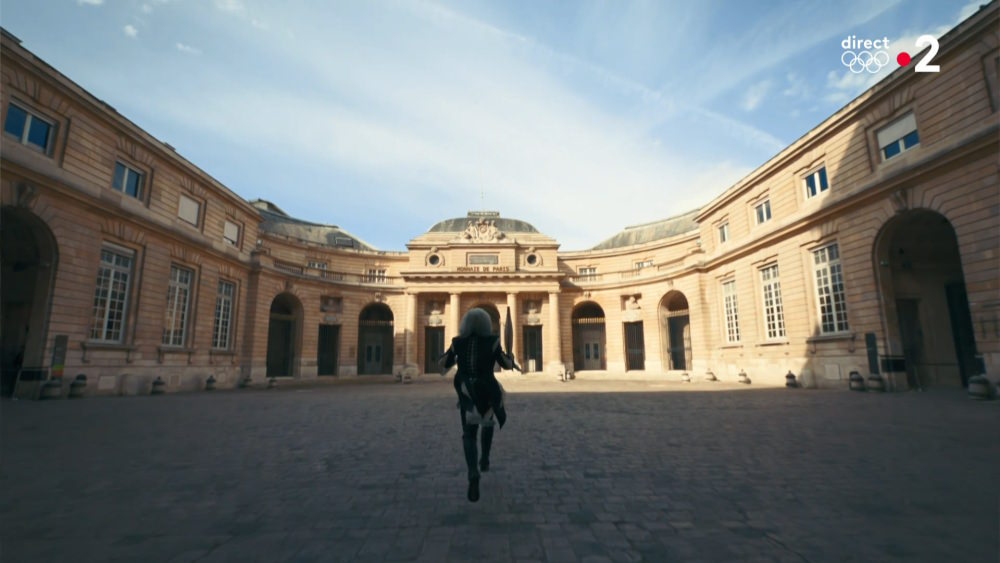
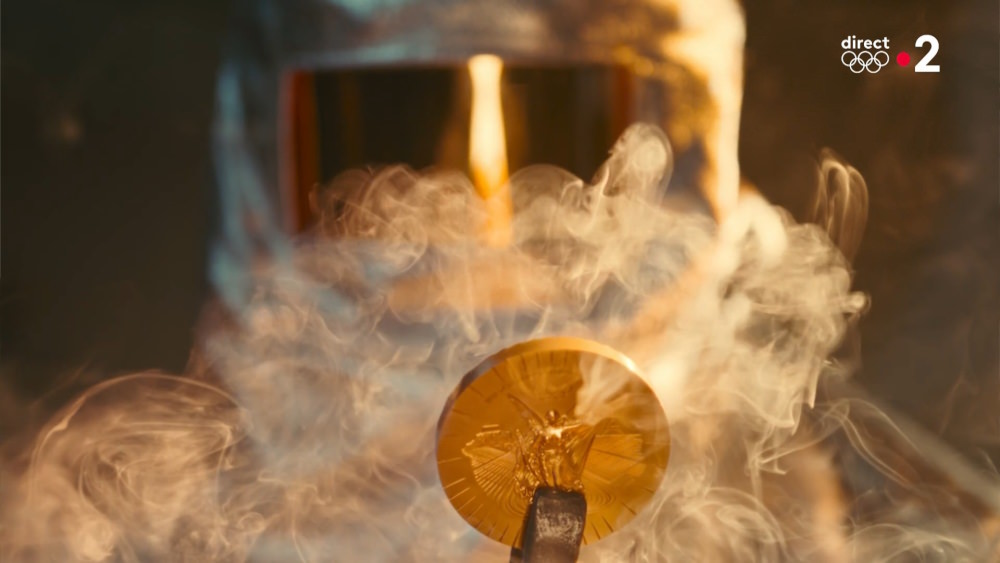
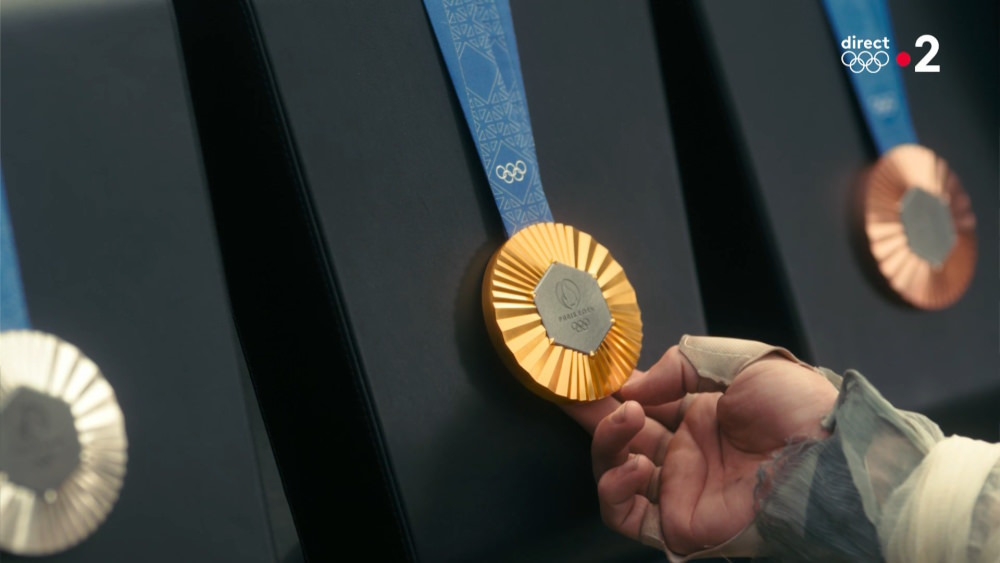
Back to the artisan theme, we saw the creation of the Louis Vuitton trunks used to carry the Olympic medals (raising some eyebrows, because they’re owned by French luxury group LVMH, an Olympic sponsor to the tune of €150 million). Two thoughts when watching the “porters” carry the trunks down the slippery and uneven, stone steps to the Seine: 1. don’t fall in front of a billion spectators! 2. Is Céline Dion going to pop out of one of them? We then see our hooded adventurer enter La Monnaie de Paris, or the Paris Mint, where the Olympic medals were made with pieces of the Eiffel Tower in each one by the French jeweler, Chaumet (also owned by…LVMH). Yay for upcycling! But also…are there just extra bits of the Eiffel Tower laying around that aren’t necessary to keep the structure standing?! (and yes, I’d love one, too)
The French Know a Thing or Two about Freedom
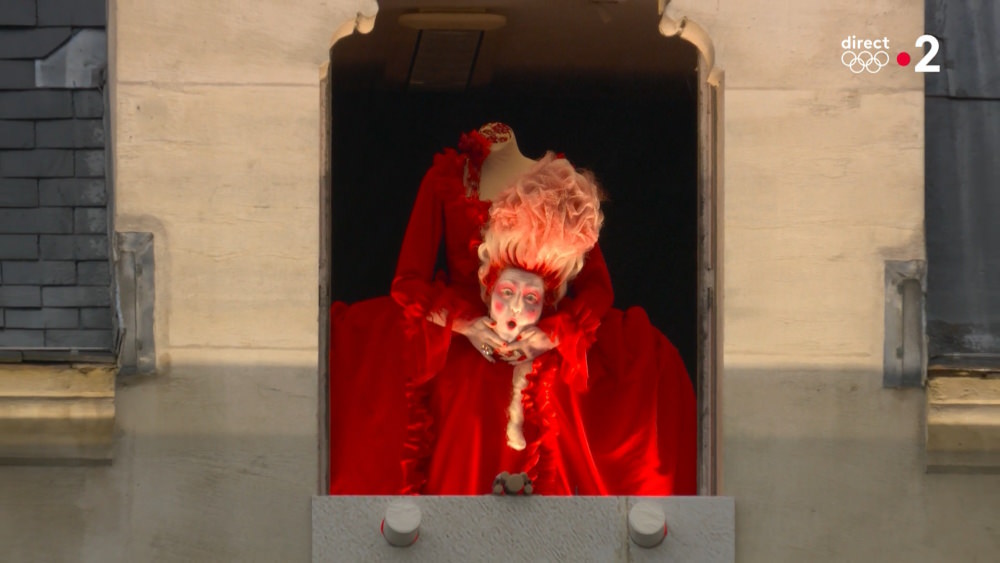
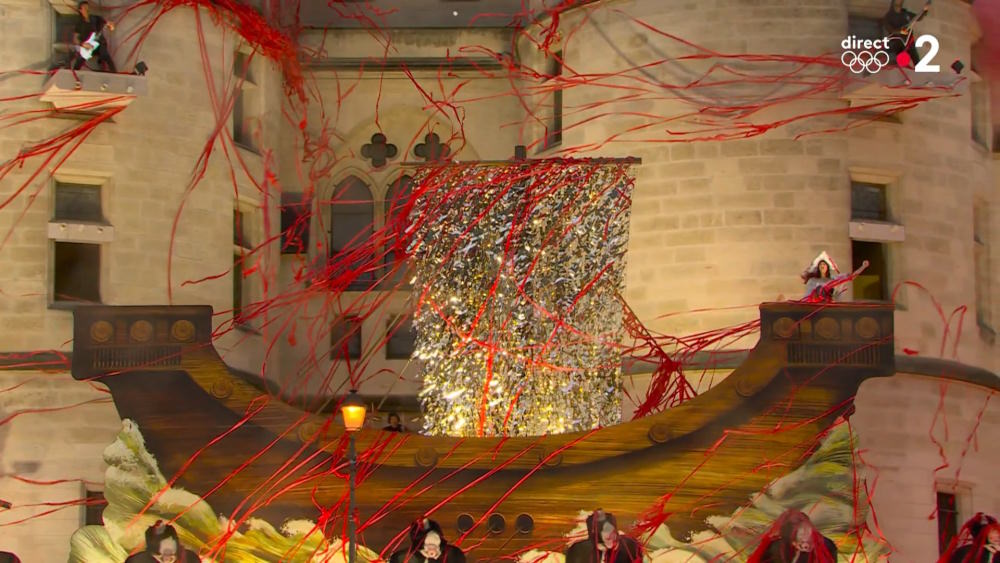
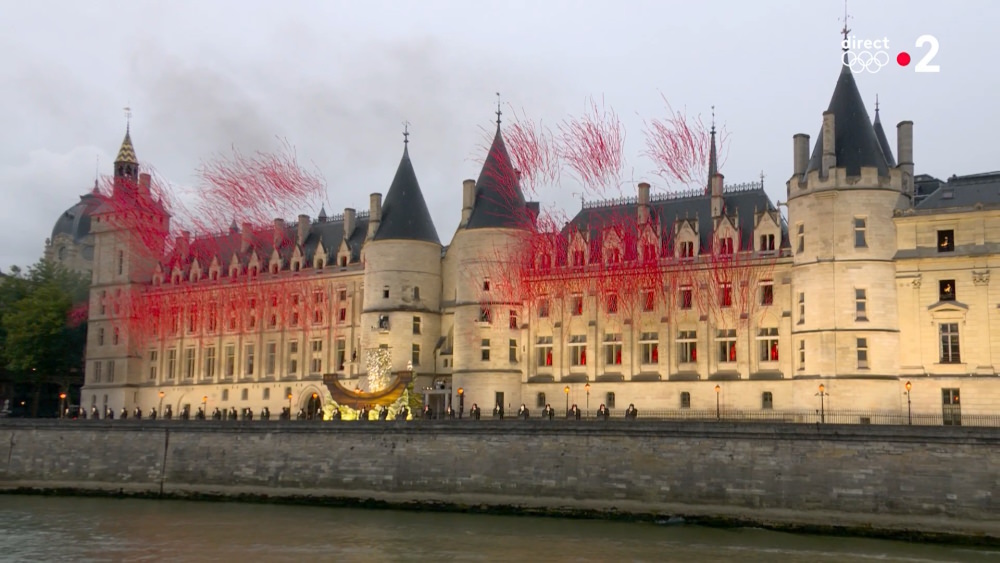
Somewhat fittingly, just after this blatant display of French luxury, we have the Liberté segment of the show as our masked torch bearer enters the Théâtre du Châtelet and runs across the stage during a rehearsal for Les Miserables, a play about the 1830 Revolution (and one of the first productions in French!) The very next scene takes place at La Conciergerie, the Medieval building along the Seine that served as a prison during the 1789 French Revolution, and where Queen Marie-Antoinette spent her last days before being sent to the guillotine. Yes, those are theatrical renditions of beheaded queens holding their own singing heads in the windows. French metal legends Gojira play a rocking version of the revolutionary song “Ah! Ca ira!” suspended from platforms on the facade (I’ve always liked Gojira, they’re Sea Shepherd and Greenpeace supporters). Halfway through the song a boat styled like the one on the Parisian coat of Arms comes “sailing” into the scene (the only boat that’s not actually on the water for this show) carrying the opera singer Marina Viotti, fist in the air. As red ribbons and smoke explode out of the windows (very stylized “blood”), I can’t think of anything better than this mix of heavy metal and opera to capture the French revolutionary spirit. Folks, this is why the French still take to the streets when they want the government to know who’s paying their salaries. 😉 You can watch the amazing clip here in France (here in the US with commentary, and here with “playalong” but in its entirety with the opera parts).


L’Amour in the Library: A Peek into French Culture
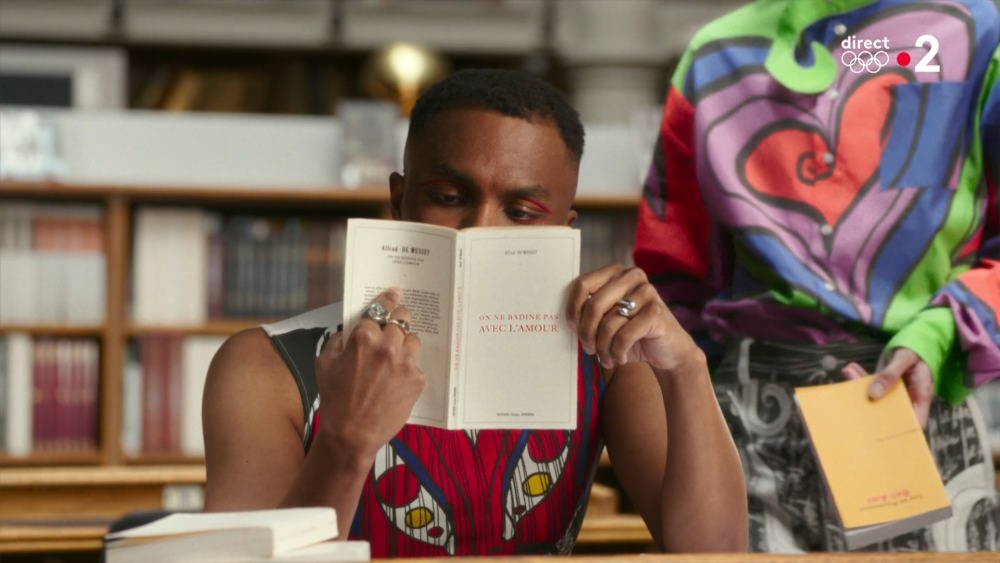
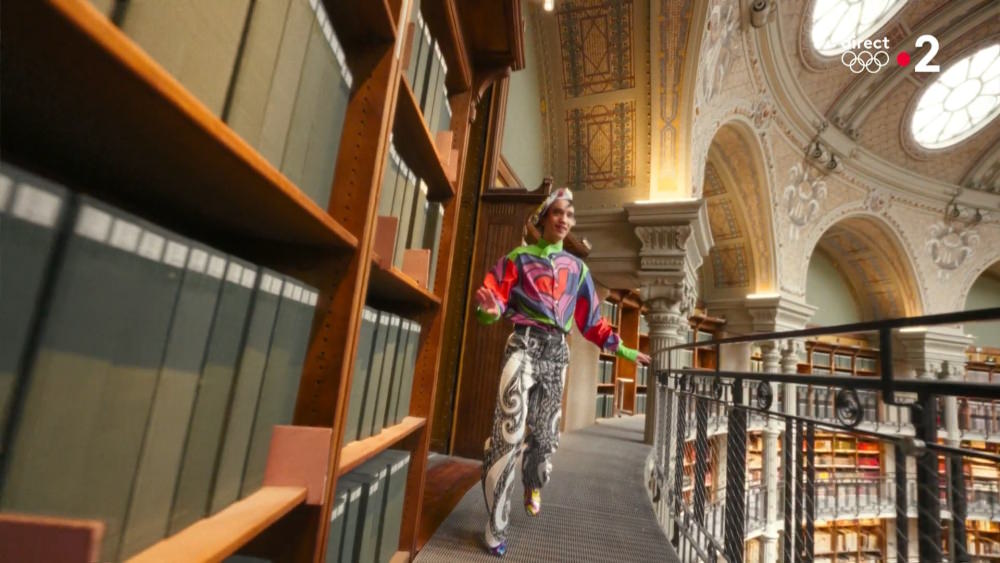
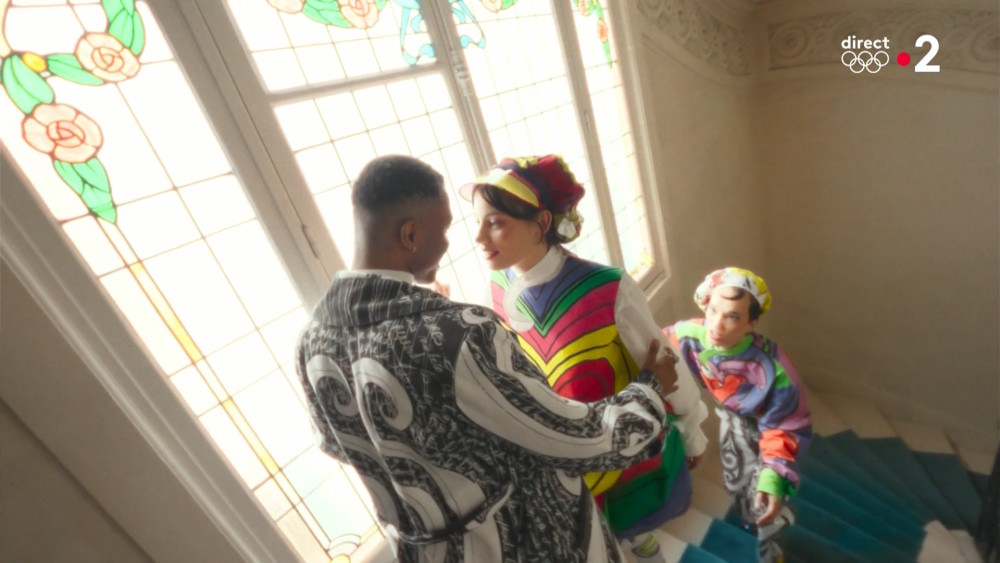
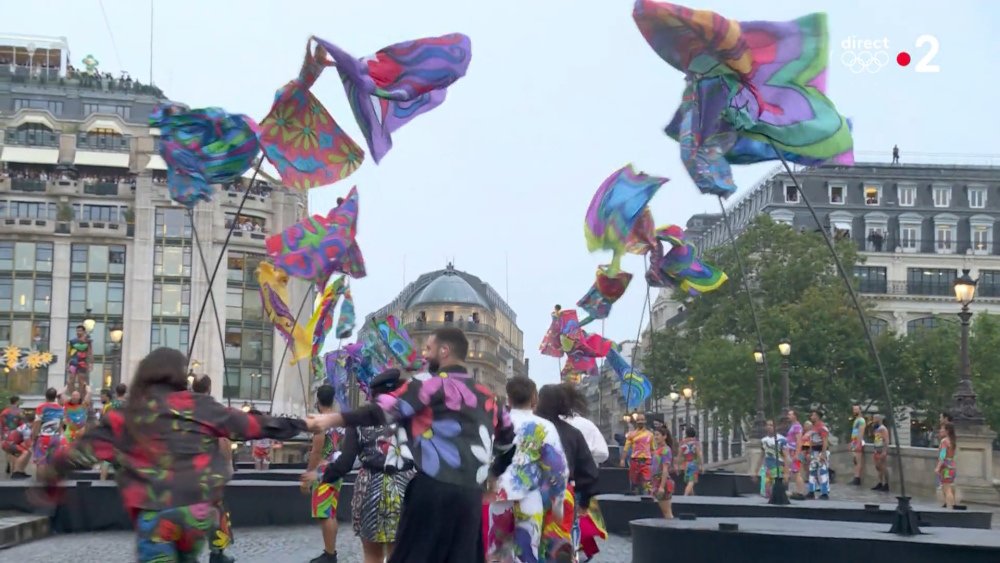
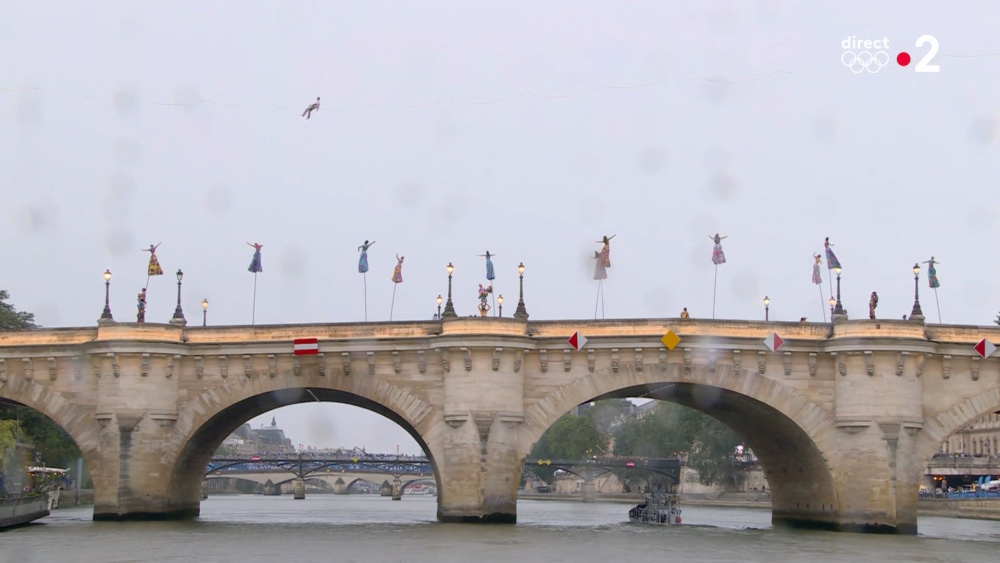
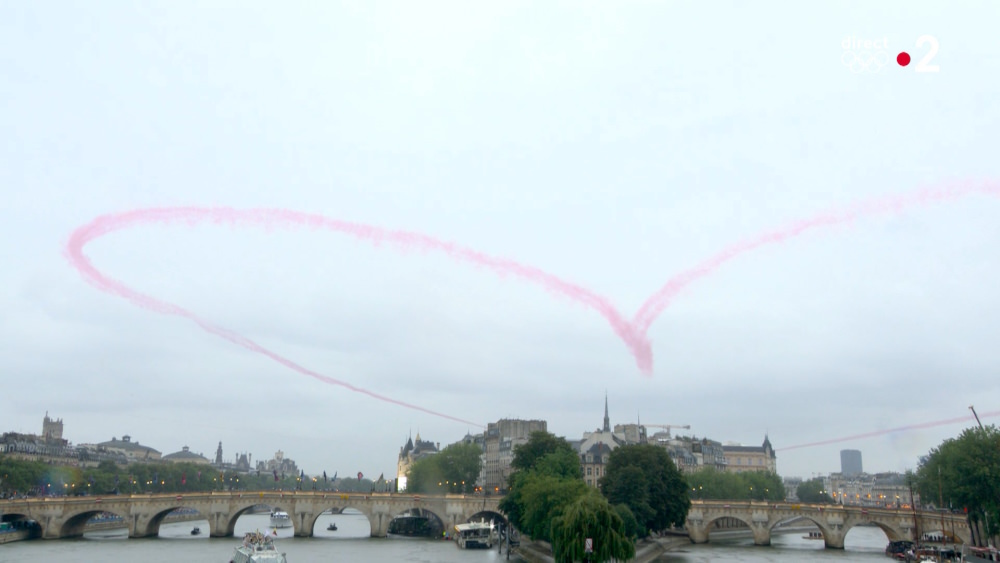
After freedom from tyranny, it’s a message about the freedom to love. And the French certainly have covered the topic from every position in literature, thus bringing us to the illustrious Oval Room of the Bibliothèque Nationale de France on Rue de Richelieu. Here, two men and a woman flirt by showing off the covers of the French literary classics they’re reading (I can vouch that this actually happens in French libraries) such as Romances sans paroles by Verlaine, the naughty Les Liaisons Dangereuses by Pierre Choderlos de Laclos and the 18th-century cross-dressing comedy, Le Triomphe de l’Amour by Marivaux. Wearing colorful outfits by the young Parisian couture designer Charles de Vilmorin, the trio are meant to evoke the love triangle of François Truffaut’s French New Wave film “Jules et Jim” (and although it’s heavily implied a ménage à trois is about to take place, we never even see a kiss before the door closes on us). Meanwhile, outside on the Pont Neuf, the pouring rain doesn’t stop one of the most poetic performances of the evening, of dancers and acrobats from La Compagnie XY swinging back and forth atop what look like pole vaulting sticks, also dressed in the same colorful outfits by de Vilmorin. They manage to hold on to each other (including the famed slackliner Nathan Paulin) and even look happy in the rain, as the Patrouille de France create a giant red heart in the sky above the city.
Don’t forget to click on the photos to see full-sized with captions.


Old School Makes Music with the New on Pont des Art
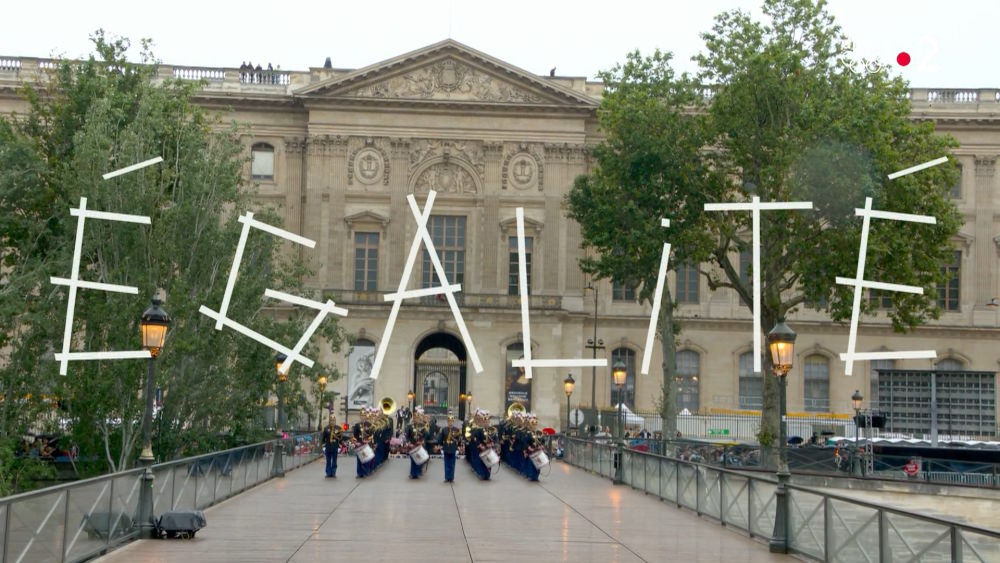
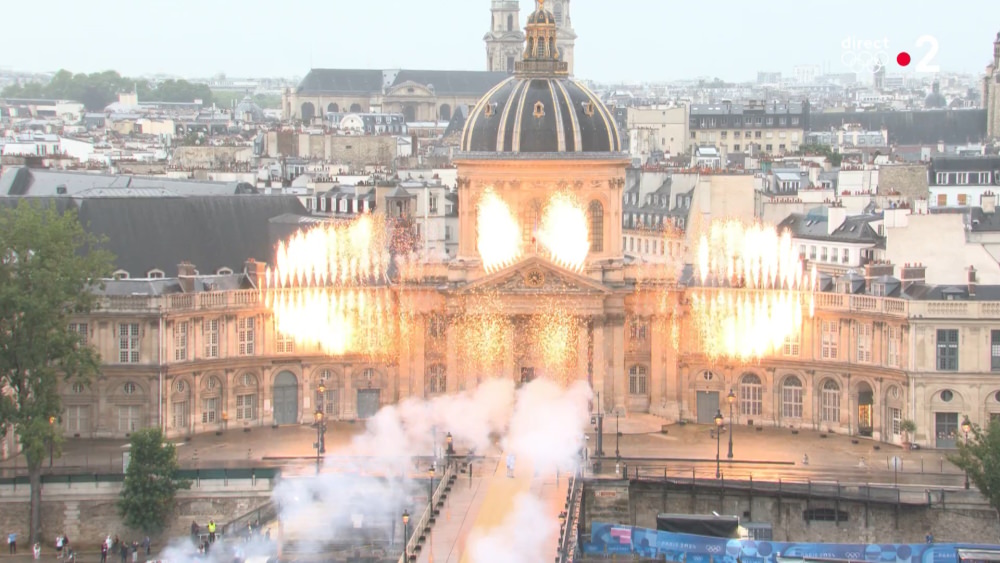
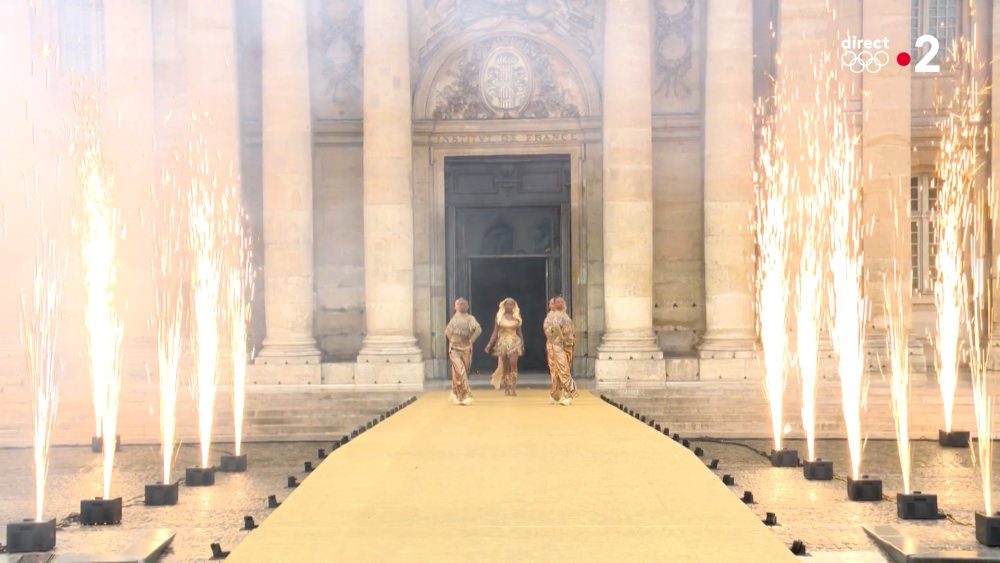
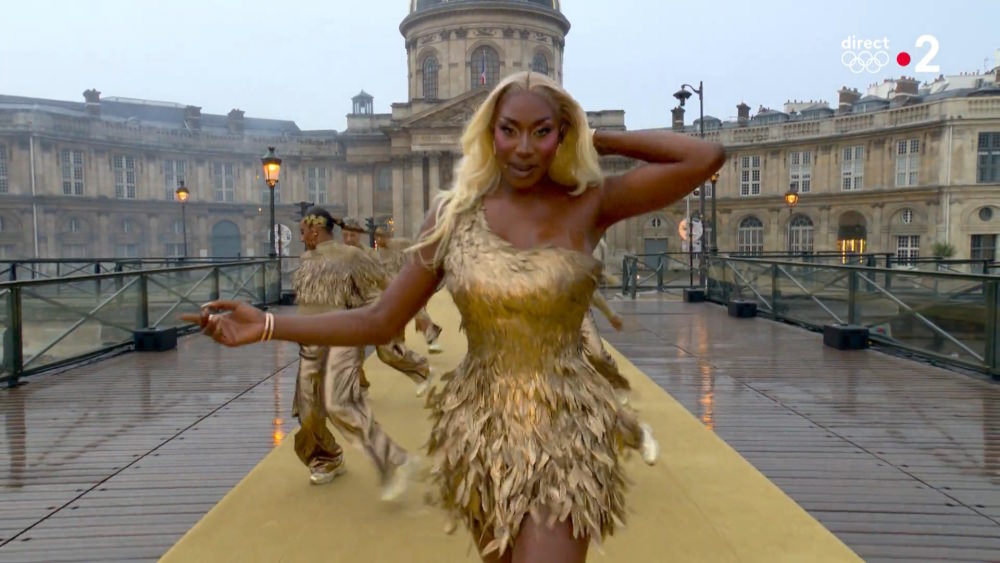
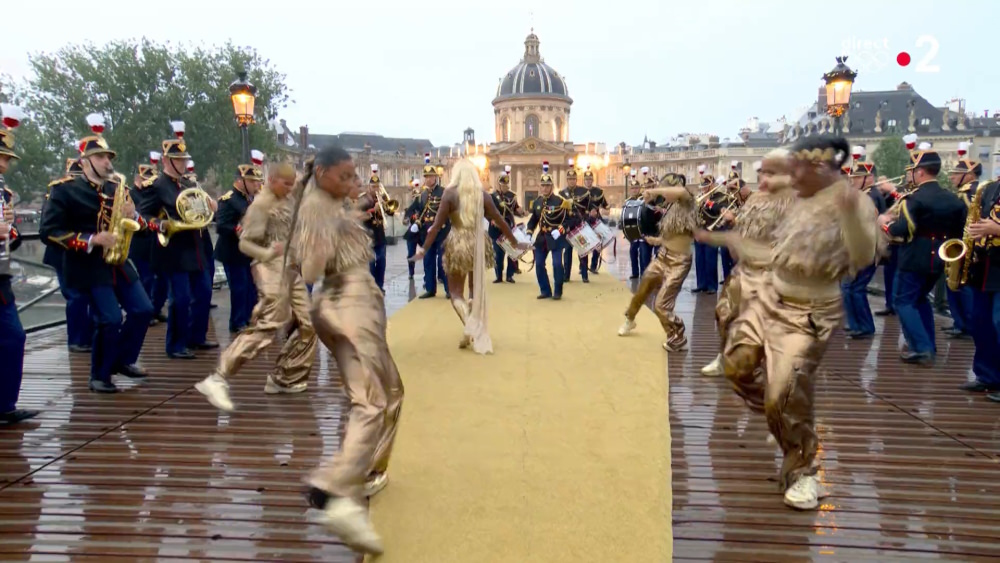
In the Egalité segment, the military band of the French Garde Républicaine marches onto the Pont des Arts pedestrian bridge between the Louvre Museum and the illustrious Institut de France (home of the Académie Française, guardian of the French language) playing the usual solemn marching hymns. Then the torch bearer sneaks past them and lights up a fuse to shoot fireworks out of the bridge and the Académie’s facade, and once the smoke clears, the internationally renowned French-Malian singer Aya Nakamura appears with her dancers in a golden feathered Dior dress and gladiator-style sandals. It looks like the two groups are about to face off, but as she performs to a mix of her hits Pookie and Djadja, you hear lines from Charles Aznavour’s beloved For Me Formidable and La Bohème, and the musicians all come together in a joyous scene — my absolute favorite of the entire show — where they’re all dancing, singing, and playing music together (audiences in France could see it on President Macron’s tweet). You can even see Capitaine Frédéric Foulquier doing what my generation would teasingly call the ‘White Man Dance’ (there’s a great interview with him here, en français, where he admits he’s not the best dancer, but that he had a lot of fun). Known for mixing French and Malian lyrics and sounds together in her songs (“Quelle scandale!” screamed the Far Right when her name was floated to perform at the Olympics), it was that much more significant that she would be walking out of the building that represents French language to sing with the military musicians for the Opening Ceremony. The outgoing Prime Minister Gabriel Attal said it best when he wrote, “Name a better duo, I’ll wait.” (showing the clip of Aya dancing with the captain). Here’s additional behind-the-scenes footage from the Institut de France’s IG.
A Pianist in the Rain
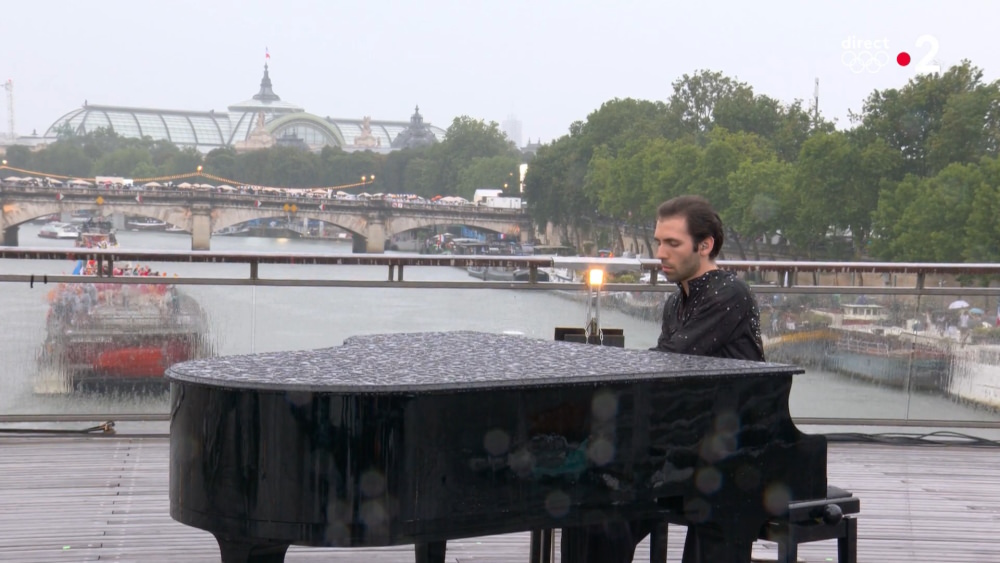
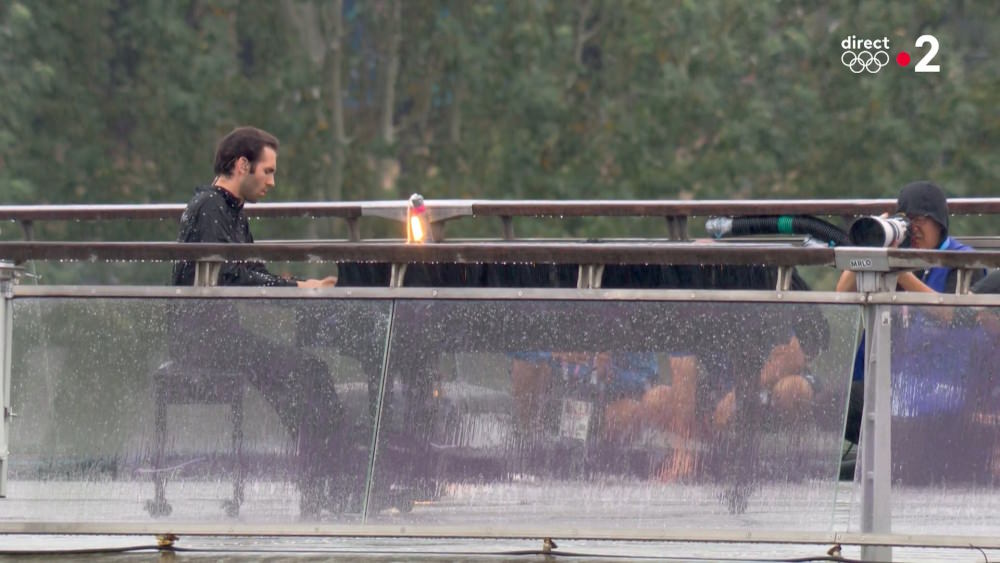
A few bridges away, award-winning French pianist Alexandre Kantorow played Ravel’s “Jeux d’eau” on the Passerelle Leopold-Sedar-Senghor (ex Pont Solférino), and somehow his hair resisted the raindrops. This isn’t the last piano you’ll see pelted by the elements during the Opening Ceremony. Below, the parade of athletes on their boats continued, seen here floating past the oversized heads that have “escaped” from artworks in the Louvre. Many of us watching here wondered about how decisions were made to group certain national teams together on larger boats, and to allow others their own. Obviously it wasn’t always about the size of their group, and they had to fit everyone onto 85 boats total. I’m guessing they didn’t get a choice, unless Gabon picked out what looks like a bathtub toy boat for their voyage down the river on purpose.
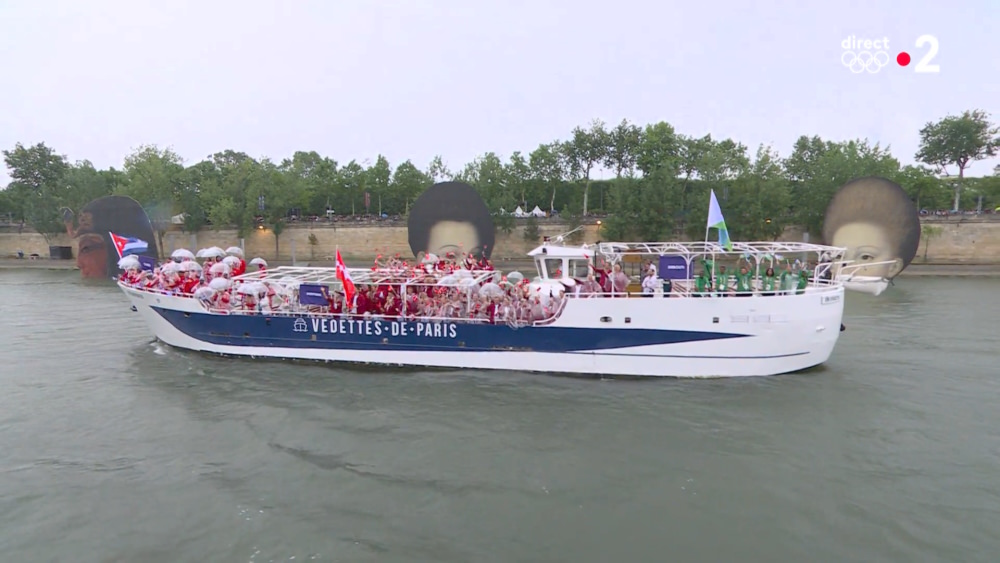
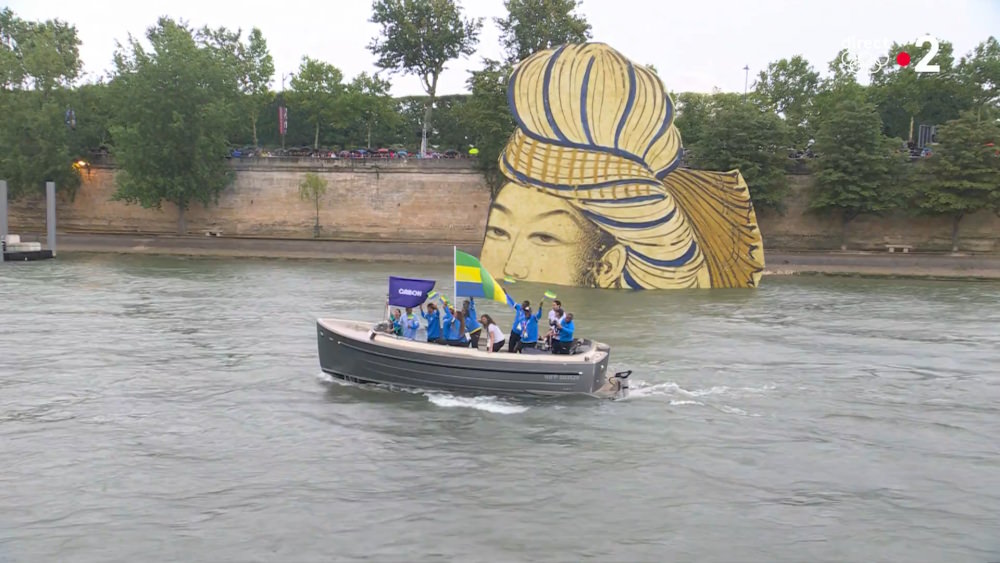
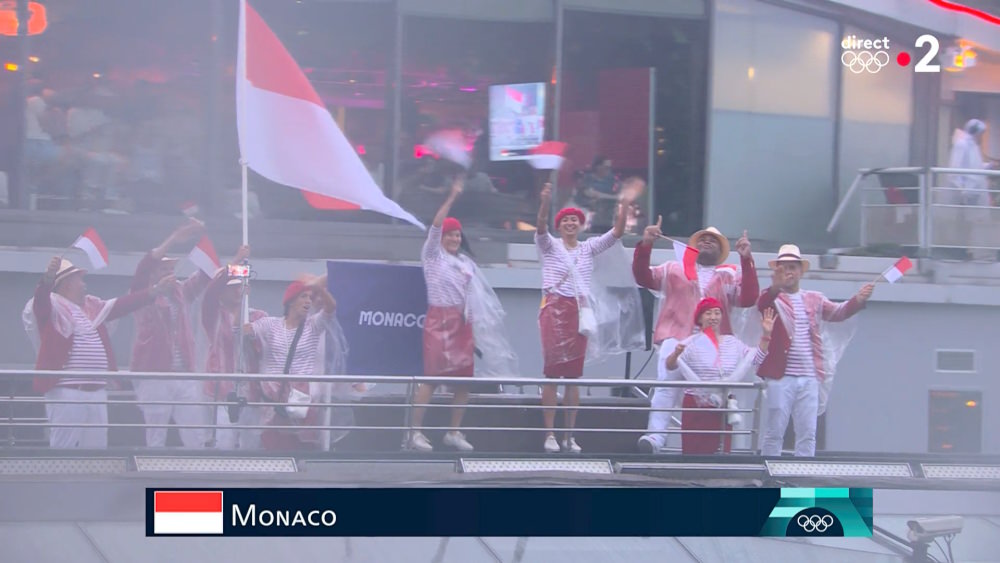
Despite the rain, the athletes looked SO HAPPY, waving, taking selfies….They may have been wet, but they had the best views, and more people watched their colorful cruise down the Seine interspersed with the cultural shows than in previous ceremonies, when the endless parade was usually the time to step out for a bathroom break (at least while waiting for your own country’s athletes to pass by).
The Little Troublemakers Who Stole the Mona Lisa
Our mysterious torch bear takes pops into the Louvre Museum, hopping down from the balcony over the Renaissance-era Salle des Cariatides, past the Winged Victory and Venus de Milo, through Napoléon IIIs Red Rooms where some of the characters from the paintings have disappeared, such as in Théodore Géricault’s dramatic The Raft of the Medusa (this painting won a gold medal at the 1819 Salon, but its “grisly subject and repellant realism” scandalized the art world and France’s Restoration Monarchy of the time). The French TV announcer says “It’s a great journey through history.” We finally see all of the missing characters including a statue of Neptune, God of the Sea, who have come to life and are gathered in front of the window excitedly watching the parade of athletes on the boats below (past the giant artwork heads).

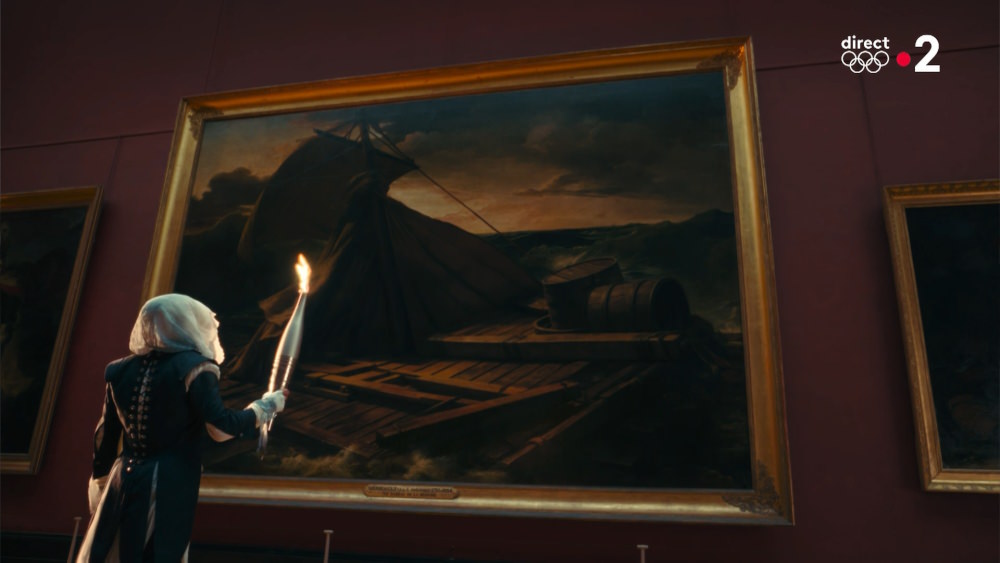
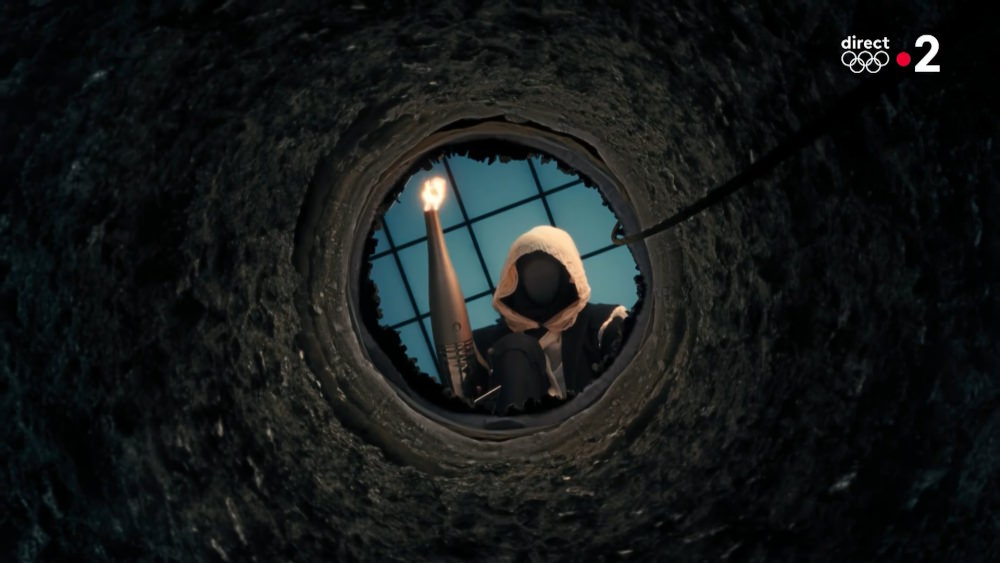
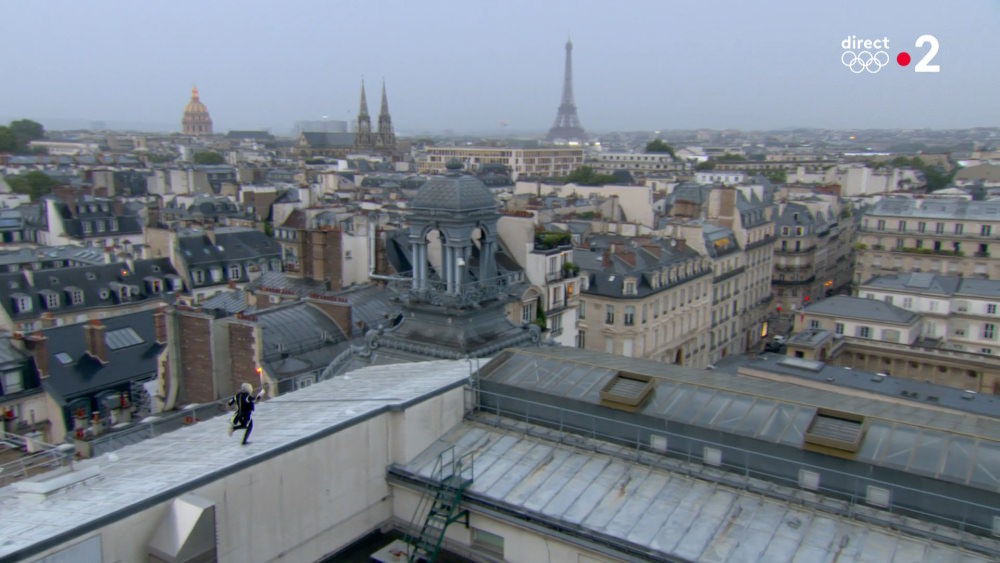
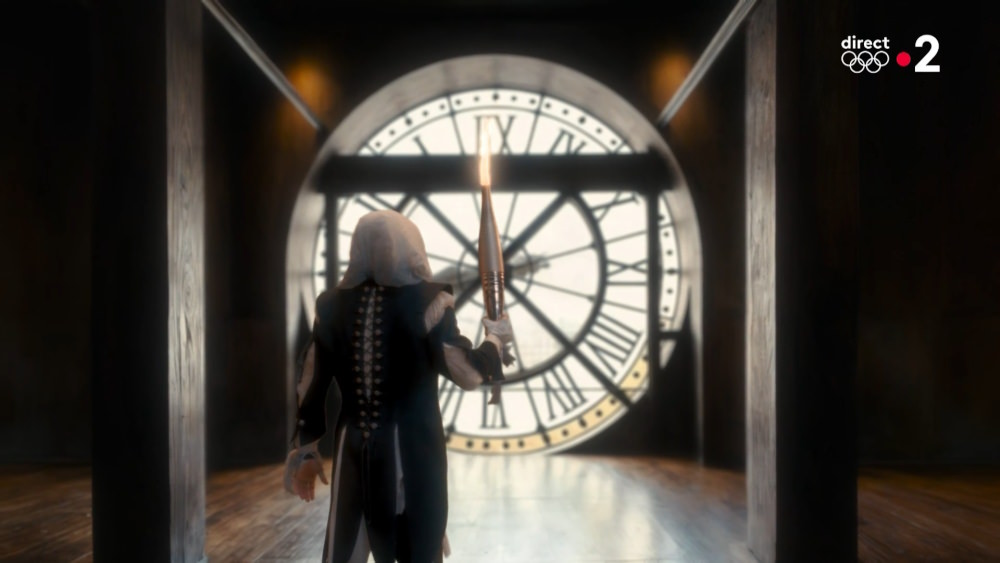
We’re now in the Fraternité segment of the show, and the hooded character in the Louvre discovers the Mona Lisa is missing, and peers down a giant hole in the floor of the museum. We then seen the torch bearer running across the rooftop of the Musée d’Orsay on the other side of the Seine — in the rain without being attached by safety equipment!! — appearing in front of one of the giant clock windows we all recognize. Suddenly he finds a lever that takes him back in time through French cinematic history, to the very first film ever shown in public, L’arrivée d’un train en gare de La Ciotat (Arrival of a Train at La Ciotat) by the Lumière brothers in 1895. The people in that first audience jumped out of their seats, afraid the train would come through the screen, which it does in this Opening Ceremony scene. The torch-bearer steps through the hole in the screen and is suddenly in a black and white world, jumps into a hot-air balloon. The Montgolfier brother launched the first ever manned hot-air balloon ride in 1783 in Paris (this isn’t the last one we’ll see). Here he floats through a cinematic outer space with references to French works including Méliès’ A Trip to the Moon, Antoine de Saint Exupéry’s Le Petit Prince, Pierre Boulle’s La Planète des singes, known in English as Planet of the Apes (represented by the dystopic view of the Statue of Liberty, another French creation gifted to the US), and finally the International Space Station. This is a nod to one of the 2024 Olympic hosts, Thomas Pesquet, who was the first French astronaut to command the International Space Station, where he performed the opening notes of the Marseillaise on saxophone — in space! — for a clip for the closing ceremonies of the 2020 Olympics (followed by an amazing BMX bike ride by French athletes on the roof of the Musée d’Orsay). The astronauts spot on their screens a little yellow periscope on the Seine, and as we pass below the water, we finally discover who has stolen the Mona Lisa…..the Minions!
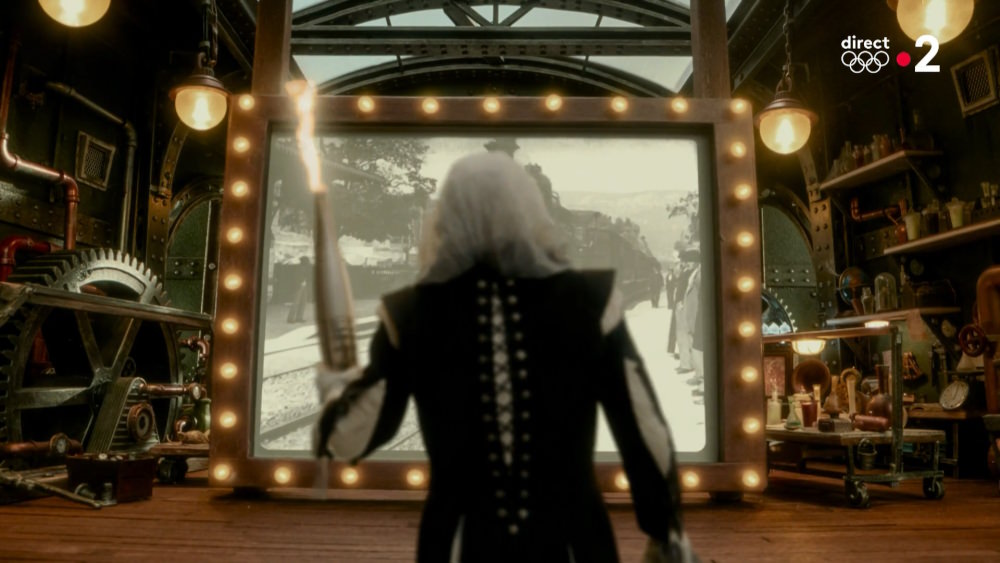
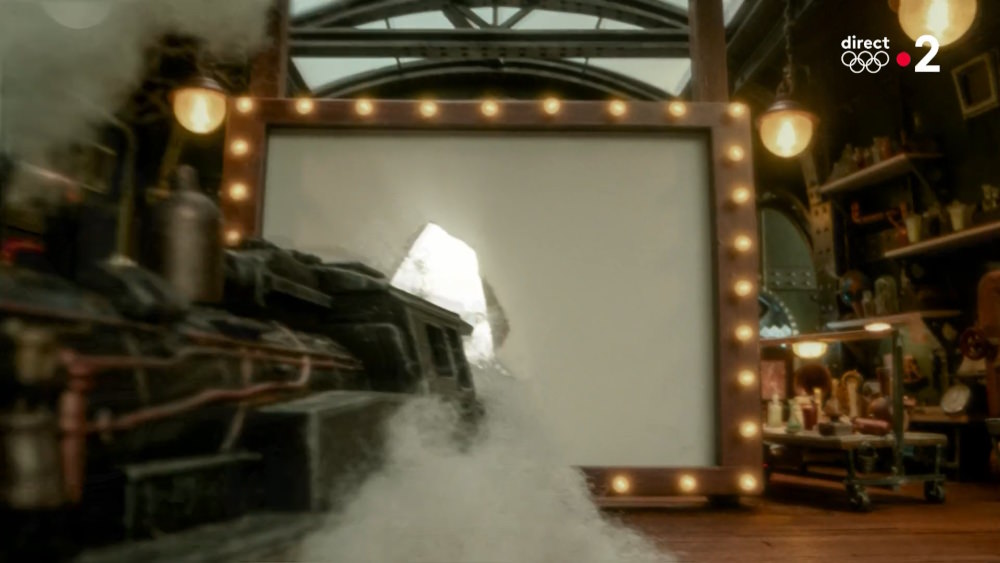

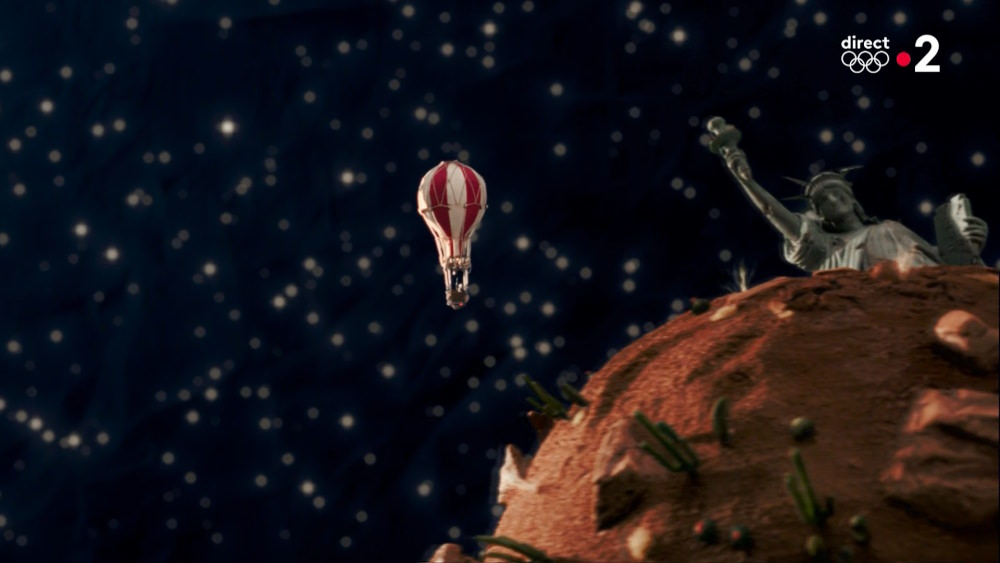
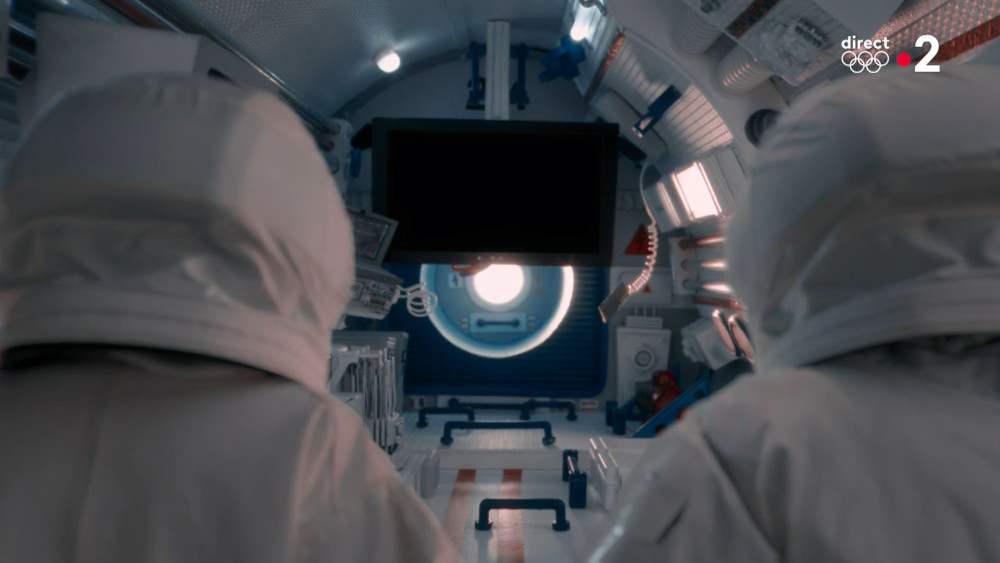
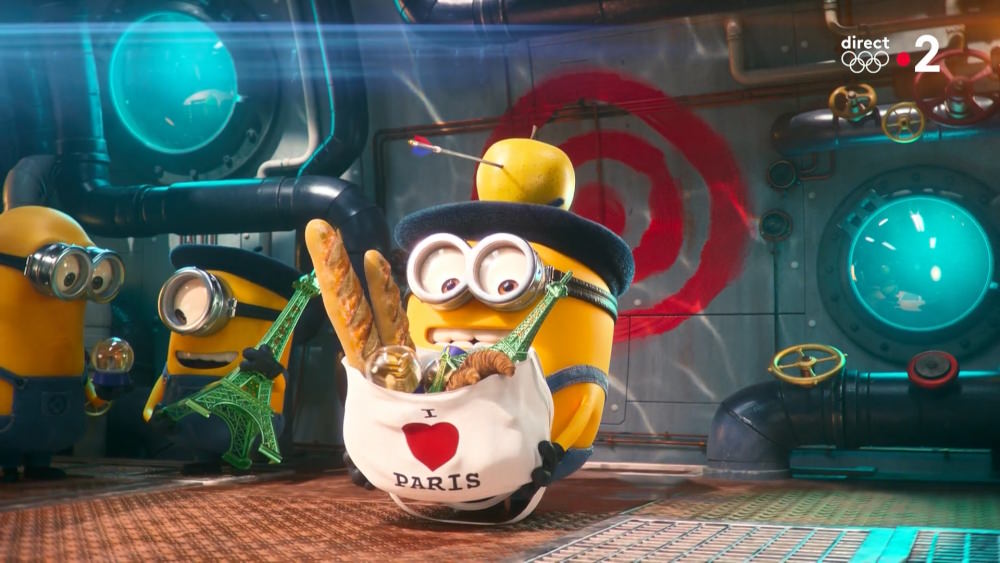

This 2-minute clip created for the Opening Ceremony (only available in France; from the US you can see this version but with Chariots of Fire music overlaid), got a lot of comments by people wondering if this was an ad for the new Despicable Me film that just came out. That may be true, but more importantly, the creator of the Minions is French (Pierre Coffin, got his diploma in animation from the illustrious Ecole des Gobelins art school around the corner from me in the 13th arrondissement), as is the Paris-based Illumination Studios who created the 3-D animation for the franchise. Of course the squirrely Minions practicing their sports end up sinking their submarine, and the Mona Lisa floats back up to the surface of the Seine (not the real one, of course, despite the bizarre outraged remarks by some on social media…). Did you know La Joconde wasn’t a famous painting until it was stolen in 1911 by three Italian thieves, making international headlines. It was only found two years later when one of them finally tried to sell it to a dealer in Florence.

Reminder: You can watch the replay of the entire opening ceremony for free in France on France.tv (until December 31st), in the US on NBColympics.com, in Canada on CBC Gem and CBC.ca/Paris2024, and in Australia on 9Now and Stan Sport.
Read Part 2 Here (Exclusively for Secrets of Paris Community Members)